 🧲 Zinc and Shedding
Dosage and Response
When zinc may help, how to assess deficiency, and why dose matters.
💊 Dosage⏳ Turnaround Time🧪 Checking Levels Book Zinc Testing📍 Find your nearest branchDr Ahmad Faisal Al-Alawi, Molecular Genetics Specialist — PhD, Sorbonne University, Paris | FRCPath, United Kingdom. Last reviewed: November 2026Article Contents
- An Account of Supplement Use
- Zinc's Role
- Reference Ranges
- Deficiency Symptoms
- Food Sources
- Supplement Forms
- Zinc Supplements and Hair Loss
- Choosing a Form
- Can Zinc Stop Shedding?
- Can Hair Regrow?
- Does Zinc Increase Thickness?
- Daily Requirements
- Treatment Duration
- When Might Changes Appear?
- Possible Harms
Zinc supports normal follicle biology. This article explains supplements, intake, and the importance of identifying a relevant deficiency.
1An Account of Supplement Use
One account describes heavy shedding after childbirth and coloring.
Numerous products and supplements had not helped.
A clinician advised assessment, including Minerals Package at Trust Medical Labs. The account reports low zinc and improvement after supervised treatment over several months; this does not predict every person's response.
Explore Appropriate Testing Through laboratory offers Trust Medical Labs.
🧲 Zinc Matters When Deficiency ExistsInvestigating the cause avoids unnecessary supplementation. 2Zinc's Role

Zinc supports protein synthesis, DNA, and cell division.
Deficiency may contribute to shedding; testing is useful when clinically suspected.
Zinc participates in metabolism but does not correct every hormonal cause.
Correcting deficiency may help; supplements are not universal treatment for hereditary loss or alopecia areata.
Learn About Treatments for Baldness and Hair Loss?
3Reference Ranges
Reference ranges vary by laboratory and circumstances. A blood range is not a hair-specific target. Discuss suitable Hair Mineral Analysis and Heavy Metal Testing at Trust Medical Labs.
4Deficiency Symptoms

Possible deficiency findings include:
- common complaint is diarrhea
- Shedding
- Poor Appetite
- Unexplained Weight Loss
- Slow Healing
- Reduced Alertness
- Reduced Smell or Taste
- Frequent Infections
- Selected Reproductive Effects.
Learn About Mineral Deficiency Symptoms?
5Food Sources
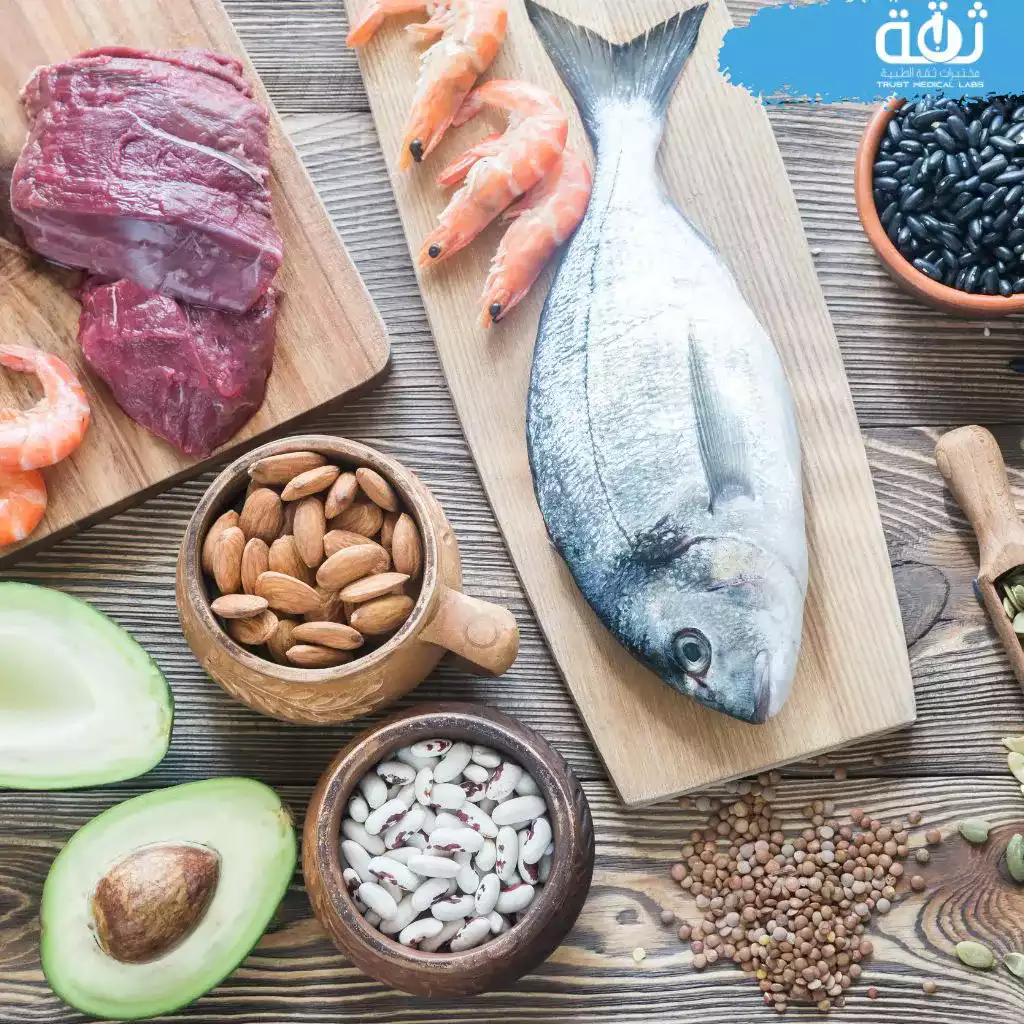
Food sources include:
Poultry.
Meat.
Legumes.
Seafood, Particularly Shellfish.
Vegetables Provide Varying Smaller Amounts.
Whole Grains and Seeds.
Nuts.
Dairy and Eggs.
Fruit Supports Variety but Is Not Usually a Major Zinc Source.
6Supplement Forms
Available compounds include:
- Zinc Sulfate
- Zinc Picolinate
- Zinc Gluconate
- Zinc Citrate
- Zinc Monomethionine
- Zinc Acetate
- Zinc Orotate
- Zinc Glycinate
These appear in different products.
7Zinc Supplements and Hair Loss
Elemental dose, indication, and tolerance matter more than a claim to be best for hair. Brands mentioned in the source include:
- Jamieson
- Ultra Zinc
- OptiZinc
- Zinctron
- Life Extension
Other Pharmacy Products.
8Choosing a Form
No form should be expected to stop loss without a relevant cause.
9Can Zinc Stop Shedding?
🧲 When May Zinc Help?
- Confirmed Deficiency or Another Medical Indication
- Clinician-Selected Treatment Dose
- Hair Response May Take Several Months
- Excess Can Reduce Copper Absorption
If you have testing for hair loss and deficiency is identified as a contributor, treatment may support recovery.
Thyroid disease requires its own treatment; add zinc only when indicated.
Hair loss has many causes; identify the relevant one.
Read AboutHair Loss Tests.
10Can Hair Regrow?
Correcting deficiency through diet and supervised supplementation may support regrowth, depending on the cause and other factors.
11Does Zinc Increase Thickness?
Extra zinc does not reliably thicken hair when intake is already sufficient.
Learn About Vitamins for Hair Shedding and Thinning: What Helps?.
12Daily Requirements
General adult dietary requirements are approximately 8 mg daily for women and 11 mg for men, with different pregnancy and breastfeeding needs. These are not automatic supplement doses; treatment and interactions require advice.
Read About Daily Nutrient Requirements
13Treatment Duration
Duration depends on the deficiency and response; reassessment is preferable to indefinite high doses.
14When Might Changes Appear?
Improvement may require months; a first-month response cannot be guaranteed.
15Possible Harms
Possible side effects include:
- Abdominal Pain
- Vomiting
- Indigestion
- Nausea
Excessive prolonged intake can cause:
- Headache
- Poor Appetite
- Nausea or Vomiting
- Reduced Immune Function
- Copper Deficiency
- Cholesterol Changes
- Neurological Symptoms with Severe Copper Deficiency
Follow prescribed instructions. Adults generally should not exceed 40 mg daily from all sources without medical supervision.
Assessment, appropriate intake, and avoidance of excess matter. Ask about indicated testing through laboratory testing in Riyadh Trust Medical Labs.
Taking Zinc Without Knowing Whether You Need It?
Unnecessary excess may harm copper status without helping hair.
Our branches | Ask Us on WhatsApp 📍 Available at Trust Medical Labs branches RiyadhKhamis MushaitHailNajranTabuk Home visit services for eligible tests · Booking and enquiries 920022632⚕️ Medical disclaimer: This content is for education only and does not replace medical consultation, diagnosis or treatment. Consult your specialist before making health decisions. Trust Medical Labs provides laboratory testing services and does not provide treatment consultations.