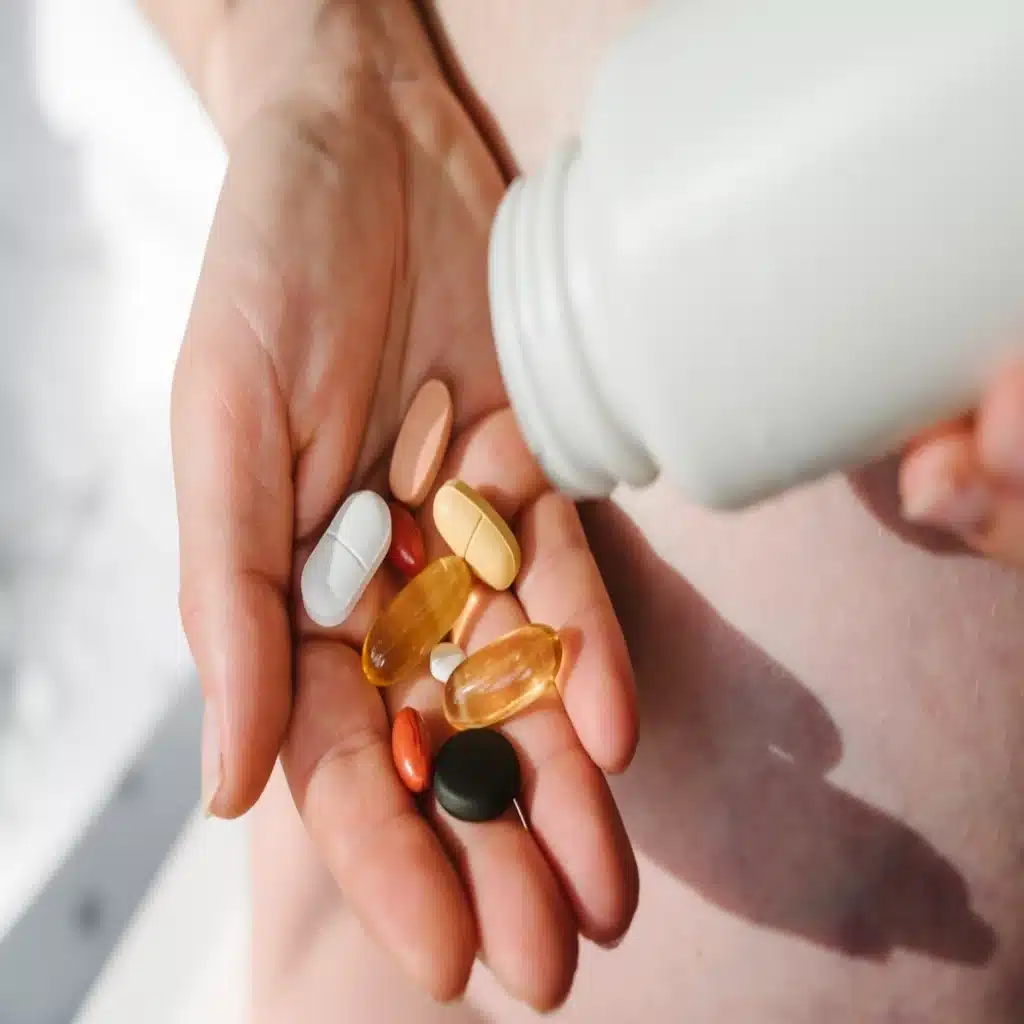
There is no single vitamin that prevents all hair loss or makes everyone’s hair thicker. Supplements are most useful when a clinician identifies a deficiency and recommends an appropriate dose.
Iron, vitamin D and B vitamins
Iron deficiency can contribute to some types of shedding. Vitamin D and B12 testing may be useful when symptoms or medical history point to a deficiency. Biotin deficiency is uncommon. High-dose biotin can interfere with some laboratory tests, so tell your clinician and lab if you take it.
Should you take more vitamin E or other supplements?
Extra vitamins have no established benefit for typical hair thinning when intake is already adequate. Excess vitamin A can contribute to shedding, and some supplements can cause side effects or interact with medicines.
When hair loss needs a different treatment
Hereditary thinning, alopecia areata and scalp inflammation may need specific treatment. A dermatologist can assess the pattern and discuss options such as minoxidil where appropriate. Seek care for persistent, rapidly worsening or patchy loss.
NIH: Biotin · American Academy of Dermatology: Hair loss treatment