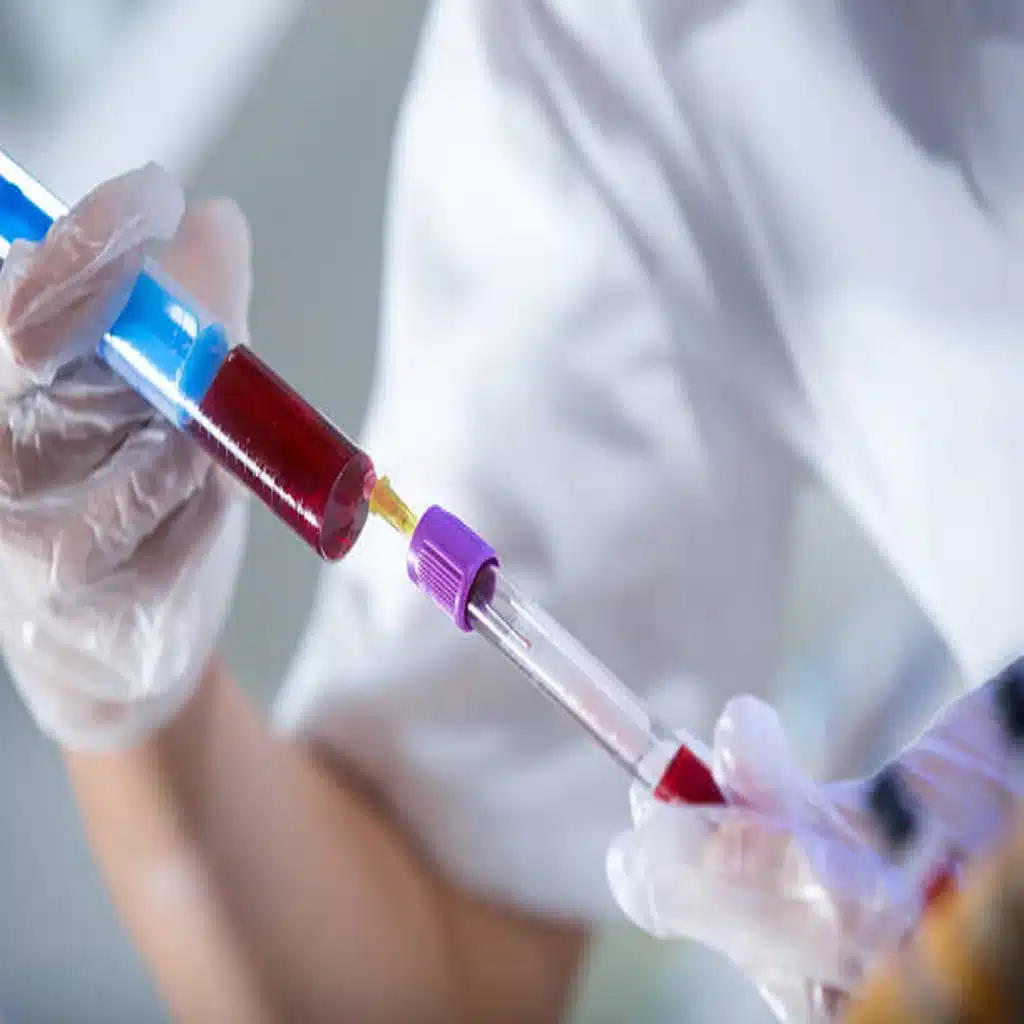
The tests used to investigate hair loss depend on how it started, its pattern and any symptoms elsewhere in the body. A clinician usually starts by reviewing your medical history and examining your hair and scalp.
Blood tests your clinician may consider
- Complete blood count: Looks for anemia and other changes in blood cells.
- Ferritin and iron studies: Help assess iron stores when iron deficiency is suspected.
- Thyroid-stimulating hormone: Helps assess thyroid function when symptoms or history suggest a thyroid disorder.
- Vitamin D, vitamin B12 or zinc: May be useful when diet, symptoms or medical history point to a deficiency.
When are hormone or scalp tests useful?
Hormone tests may be appropriate when hair thinning occurs with symptoms such as irregular periods, acne or excess facial hair. A blood DHT measurement is not routinely needed to diagnose pattern hair loss. If the diagnosis is unclear, a dermatologist may use magnification, a fungal test or a scalp biopsy depending on the findings.
Do you need a full hair loss panel?
Ask the clinician which tests are likely to change treatment. A panel can contain more tests than you need, and a normal panel does not rule out scalp or hereditary causes.
American Academy of Dermatology: Hair loss diagnosis and treatment