Hair loss can be hereditary, follow illness or stress, or result from inflammation, traction or another medical condition. Identifying the cause early helps you choose a treatment suited to the pattern and stage of loss.
Medication and treatment of underlying causes
Topical minoxidil can help some people with pattern hair loss. Other options, including prescription medicines, depend on age, health, type of hair loss and pregnancy plans. A clinician can explain possible side effects. Treating a confirmed deficiency, scalp disorder or other underlying condition may be more useful for other types of loss.
Procedures and devices
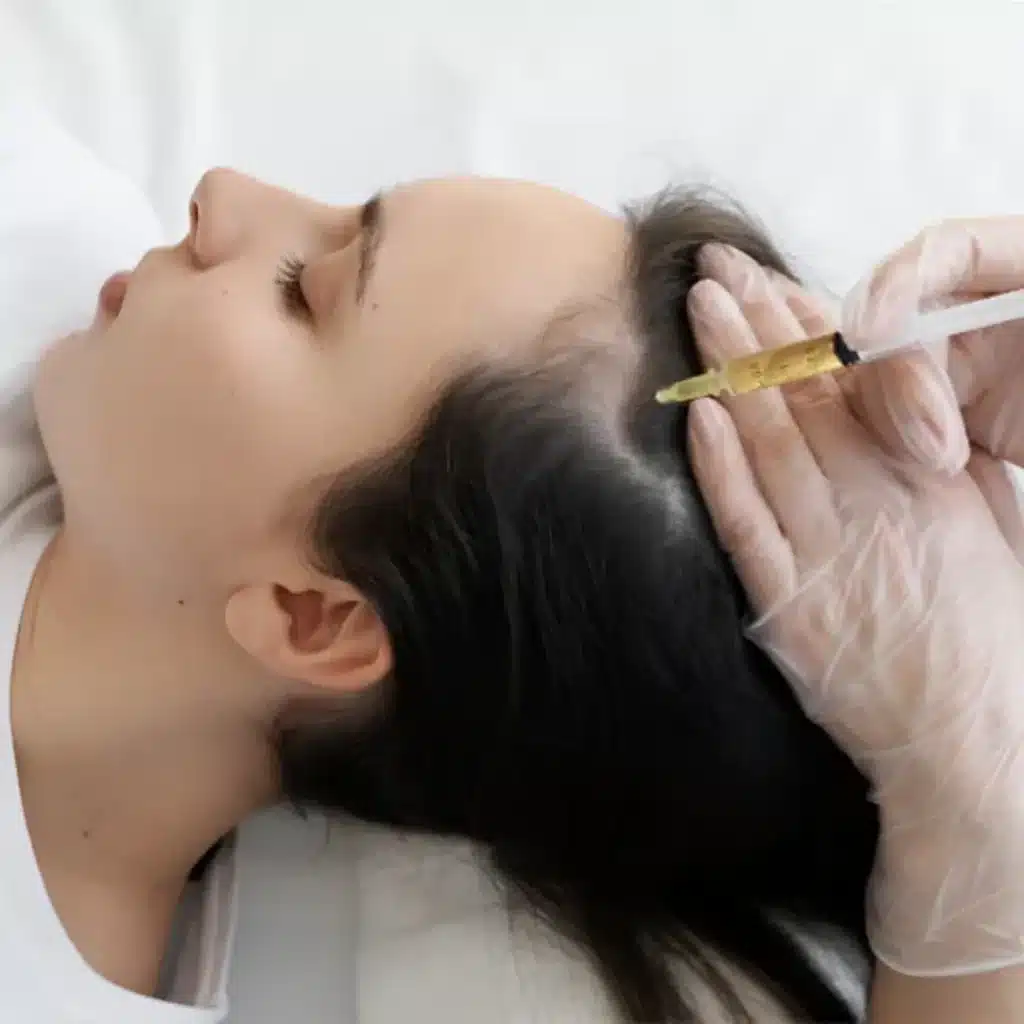
Hair transplantation can be an option for some people with stable pattern hair loss and enough donor hair. Low-level laser devices and platelet-rich plasma are also used in some cases. Ask a dermatologist about the expected benefits, risks, number of treatments and costs. Stem cell products marketed for regrowth do not have established routine use.
What about oils and home remedies?
Products containing coconut, rosemary or peppermint oil, or onion juice, may irritate the scalp and have limited evidence for regrowth. A persistent bald patch or widening part deserves a diagnosis before choosing a treatment.
Protecting the hair you have
Use gentle hair care, avoid sustained tension from tight styles and treat scalp symptoms early. Discuss new shedding or rapid thinning with a clinician. Ask whether a medication or recent illness could have contributed before making changes on your own.
American Academy of Dermatology: Hair loss diagnosis and treatment