
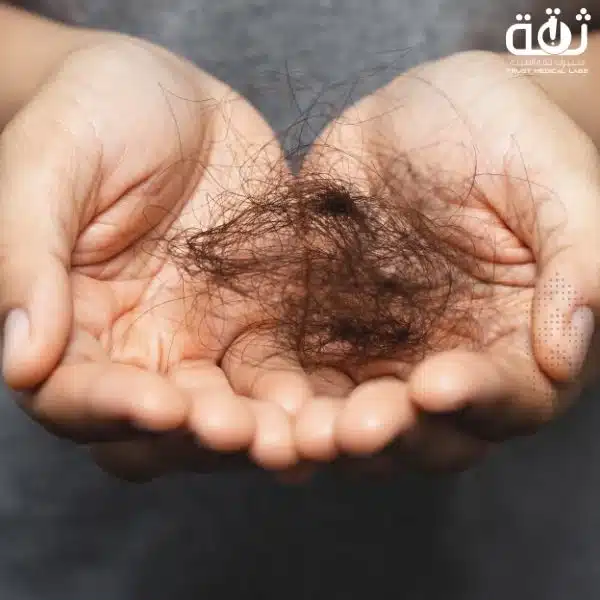
Early shedding can be worrying. This guide explains recovery, possible complications, regrowth, and aftercare.
Trust Medical LabsWe Are Here to Help
Complete the Form
and We Will Contact You.
How Much Sheds?
The amount varies; many shafts shed during the first weeks.
This does not necessarily mean follicle failure. Regrowth takes months.
- Read About When Does Hair Grow After Transplantation?
What Is Shock Loss?
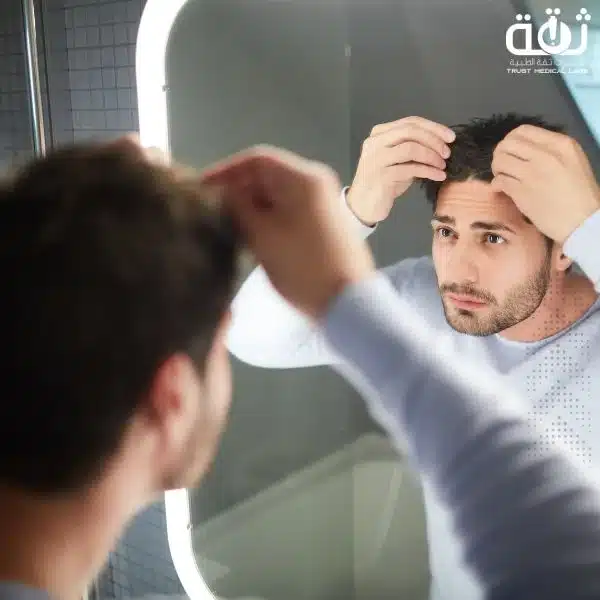
Temporary postoperative shedding may affect transplanted shafts or nearby native hair, sometimes including the donor area. Timing and recovery vary.
Care During This Phase
Follow Individual Aftercare, Including:
- Balanced Nutrition; Supplements Only if Indicated.
- Adequate Fluids.
- Products Approved by the Surgical Team.
- Avoid Excess Heat, Sun, or Strenuous Activity Until Cleared.
Learn About Vitamins for Hair Shedding and Thinning: What Helps?.
Why Does Transplanted Hair Shed?
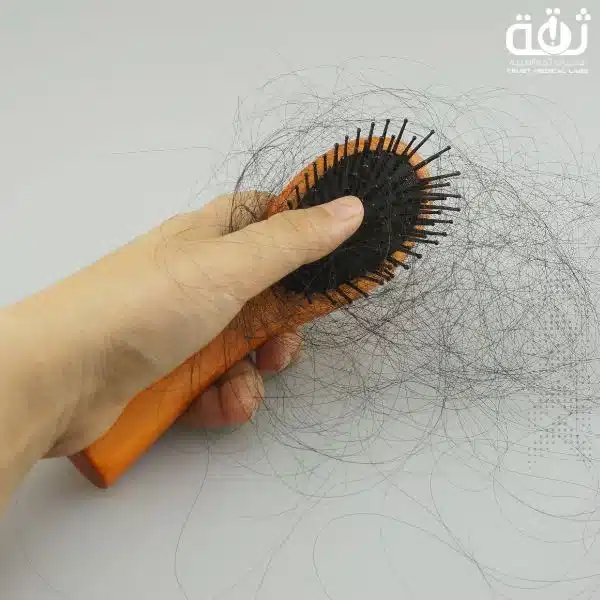
Distinguish expected shedding from graft damage or complications:
1. Surgical Stress
Temporary cycle disruption may cause shedding; recovery is common but not guaranteed.
2. Hair-Cycle Changes
Follicles may rest before regrowth; losing a shaft does not mean losing the follicle.
3. Graft Healing
Healing and blood supply take time; trauma or infection may compromise survival.
4. Inflammation
Worsening inflammation may indicate infection or irritation needing review.
5. Inappropriate Aftercare
Potentially damaging practices:
- Forceful Rubbing.
- Irritating Products.
- Premature Return to Sweating or Injury-Prone Activities.
6. Genetics and Hormones
Native hair can continue thinning despite transplantation.
7. Medication Changes
Do not add or change medicines without surgical advice.
Responding to Shedding
- Allow Time; Early Shedding Alone Is Not Failure.
- Follow Instructions.
- Use Prescribed Treatments Correctly.
- Maintain Balanced Nutrition.
Also Learn About Hormones and Hair Loss
Does Hair Regrow?
New growth appears over months, with progressive maturation. Some outcomes take twelve to eighteen months to assess; fixed percentages are not guaranteed.
Can Shedding Be Prevented?
Expected shaft shedding cannot always be prevented. Protect grafts through:
1. A Qualified Surgeon and Realistic Planning.
2. Appropriate Timing, Diagnosis, and Stabilization, with testing for hair loss if clinically indicated.
3. Prescribed Medicines Where Suitable:
- Minoxidil Timing and Formulation as Advised.
- Finasteride Only in Suitable Patients After Risk Discussion.
4. Approved Scalp Products.
Explore Offers for Hair Loss Testing Package at Trust Medical Labs.
Does Shedding Mean Failure?
No. Early shedding can precede regrowth, but follow-up is needed to assess healing and later results.
Warning Signs
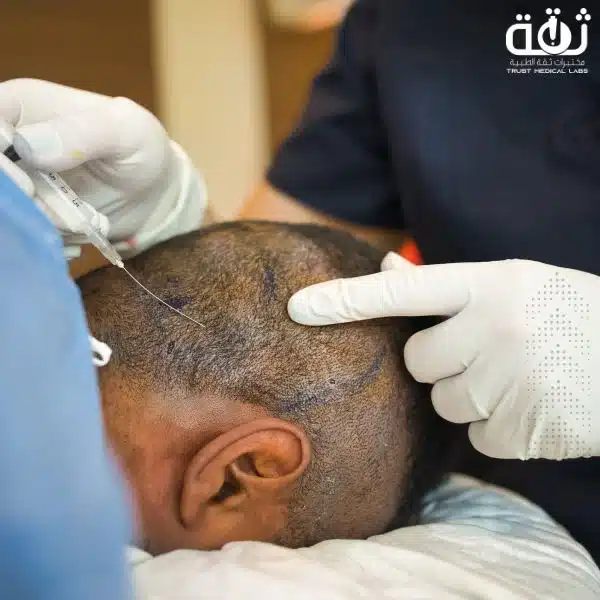
Contact the Team For:
- Persistent Severe Redness or Inflammation.
Possible Infection.
Lack of Expected Regrowth at Follow-Up.
Unexpected Large Gaps or Density Loss.
Seek Prompt Advice for Concerning Changes.
The surgeon may request selected investigations through laboratory offers Trust Medical Labs.
Donor-Area Care
Follow Your Specific Instructions:
- Dressings Only as Advised.
- Sun Protection.
- Avoid Dirt and Contamination.
- Do Not Pick Crusts.
- Approved Creams Only.
- Resume Massage Only When Cleared.
- Follow Positioning Advice.
- Recommended Washing.
When Are Grafts Secure?
Early graft security differs from regrowth. The first two weeks need particular care, while visible growth takes months. Native hair may still thin.
Care Tips
These support recovery without guaranteeing speed:
- Balanced Diet and Treatment of Confirmed Deficiencies.
- Avoid Excess Heat and Sauna Until Cleared.
- Resume Swimming Only When Cleared.
- Use Approved Products.
- Delay Coloring as Advised.
- Ask When Clippers or Scissors Are Safe.
- Return to Exercise as Advised.
Patience, follow-up, appropriate care, and indicated testing through a provider of laboratory testing in Riyadh support recovery and assessment.