
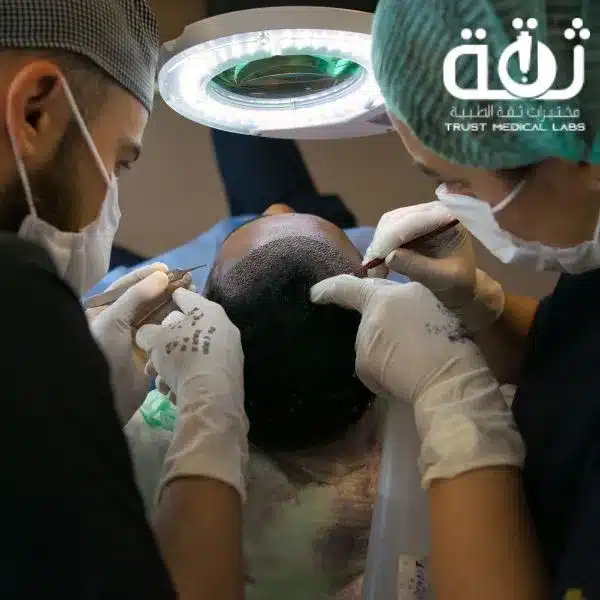
Early shedding may seem alarming. This guide explains when growth and results can be assessed.
Trust Medical LabsWe Are Here to Help
Complete the Form
and We Will Contact You.
Topics include the hair cycle, recovery, coverage limitations, and aftercare.
The Hair Cycle
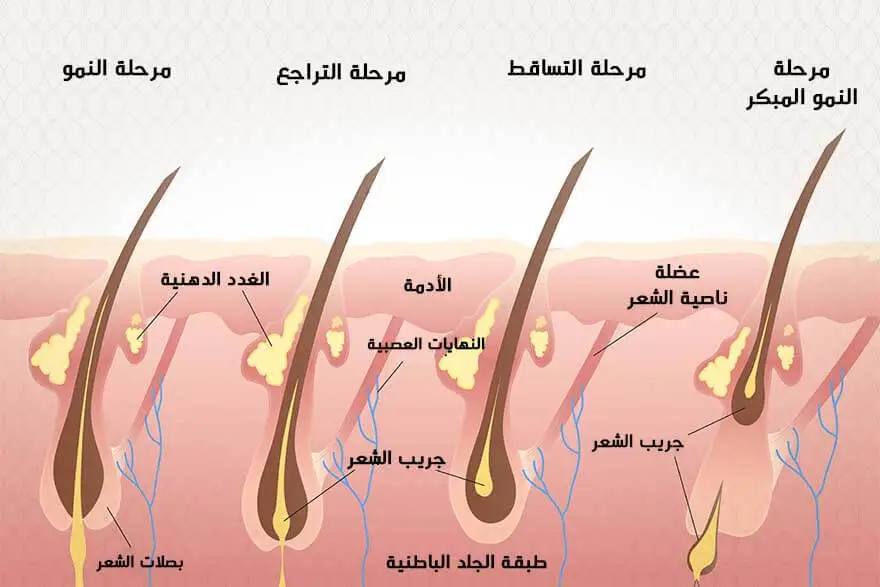
Growth, Transition, Rest, and Shedding.
- Anagen commonly lasts years, with duration varying by genetics, age, and health. If another cause is suspected, laboratory testing in Riyadh appropriate testing may help through Vitamin and Mineral Package
- Catagen is a brief transition over weeks.
- Telogen is a resting phase lasting months.
- Exogen releases older shafts; some daily shedding is normal.
You May Also Like: Vitamins for Hair Shedding and Thinning: What Helps?
Recovery Timeline
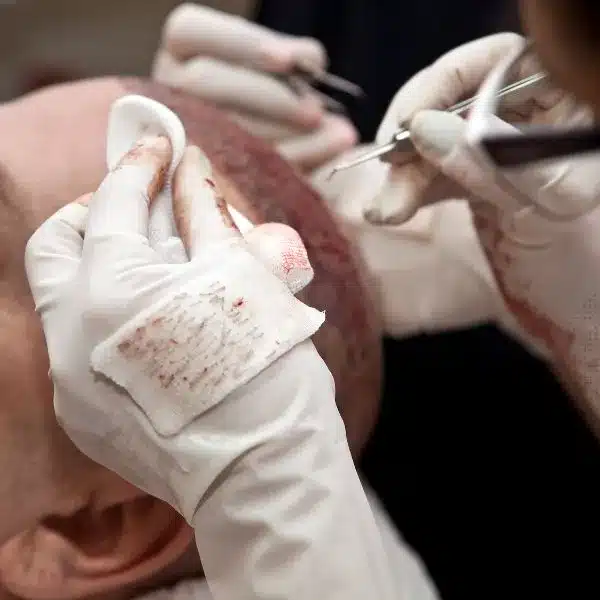
General guidance does not replace your surgical plan:
- Early Swelling and Crusts May Occur.
- Crusts Often Loosen Within Two Weeks; Do Not Pick Them.
- Shafts Commonly Shed During the Following Weeks.
- Follicles May Rest for Several Months.
- Early Growth Often Appears Around Three to Four Months.
- Length and Thickness Increase Gradually; No Coverage Percentage Is Guaranteed.
- Many Results Become Clearer Around a Year, Sometimes Maturing Longer.
Continue Follow-Up and Ask About laboratory offers Trust Medical Labs testing if another condition is suspected.
Aftercare
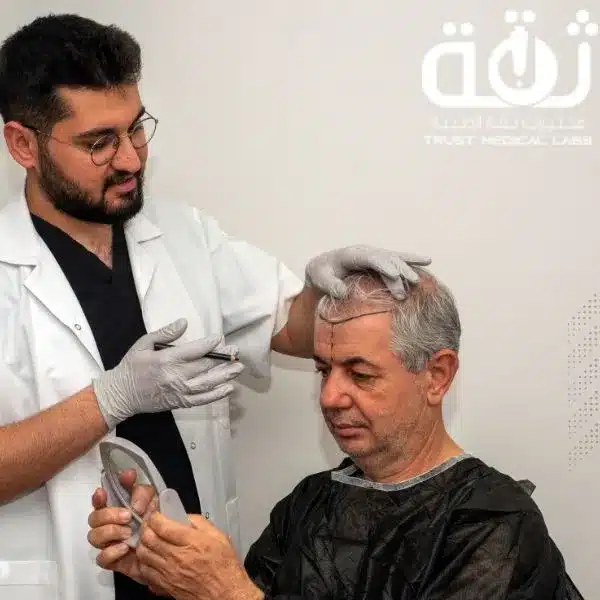
Follow Individual Instructions:
- First Washing at the Time and by the Method Advised.
- Approved Products and Gentle Handling.
- Do Not Pick Crusts.
- Protection from Sun, Heat, and Forceful Water.
- Recommended Sleeping Position.
- Avoid Brushing Healing Grafts Until Cleared.
Shedding Around Ten Days
Timing varies, and early shedding does not itself mean failure.
Surgical stress can alter the cycle while viable follicles remain.
Ask About testing for hair loss when your clinician recommends investigations.
Read About: Which Tests Can Help Investigate Hair Loss?
When Does Hair Grow After Transplantation?
New hair may initially be fine and sparse, gaining thickness over subsequent months. Final assessment may take twelve to eighteen months.
Appearance After Two Months
The area may look sparse before new growth becomes prominent; this is too early to judge final results.
Gaps After Transplantation
Early gaps may reflect timing. Persistent gaps need review for graft distribution, survival, native loss, or complications.
Can the Whole Scalp Be Covered?
Extent of loss, donor supply, thickness, curl, and contrast limit achievable coverage.
Limited donor supply may require prioritizing visible areas and setting realistic density expectations.
Explore Appropriate comprehensive testing in Riyadh at Trust Medical Labs.
Supporting Outcomes
Helpful Principles:
- Complete Preoperative Assessment.
- Follow Specific Washing and Touching Restrictions.
- Cleanse as Instructed.
- Avoid Excess Heat and Sun.
- Balanced Nutrition.
- Exercise Only When Cleared.
- Delay Coloring as Advised.
- Recommended Sleeping Position.
- Manage Stress and Allow Healing.
Early shedding is common; regrowth and maturation require months rather than immediate judgment.
You May Also Like: Frontal Thinning Treatment
Frequently asked questions
How Long Do Results Last?
Transplanted hair can be long-lasting, but native loss may continue and outcomes vary.
Can I Wear a Hat?
Ask when a clean loose hat is safe; early rubbing can disturb grafts.
When Can I Bow or Prostrate?
Ask about safe positioning and scalp pressure during recovery; individualized advice takes priority.
Recognizing Poor Results
Persistent poor growth after maturation, scarring, infection, or an unnatural pattern warrants review. Early shedding alone is not failure.