Can iron deficiency cause hair loss? Many people notice increased shedding and wonder whether low iron could explain it. Iron helps the blood carry oxygen throughout the body, including to the scalp and hair follicles. Low iron can cause a range of symptoms.
Trust Medical LabsWe Are Here to Help
Complete the Form
and We Will Contact You.
This article looks at the causes of iron deficiency, its relationship to hair loss, its symptoms and treatment.
What causes iron deficiency?
Iron levels can fall for several reasons.
Too little iron in the diet
We get iron from food. When the diet supplies too little over time, iron stores can become depleted.
The body can store iron but cannot make it. People whose intake or iron requirements may need particular attention include the following groups.
- Children need iron as they grow.
- Adolescents, particularly those who have started menstruating.
- People who menstruate lose iron through blood loss.
- People following a vegetarian diet absorb less iron from plant foods than from meat.
- Pregnant and breastfeeding women may need individual dietary advice.
- During the first year, breast milk or iron-fortified formula is the appropriate main milk drink. Cow’s milk provides too little iron as a substitute.
Difficulty absorbing iron
Conditions such as coeliac disease can interfere with iron absorption in the gut. Previous stomach surgery may also affect how much iron the body absorbs.
Blood loss
Blood loss also means iron loss. Heavy menstrual bleeding is a common cause of iron-deficiency anaemia. Treating the bleeding can help prevent the deficiency from returning.
Bleeding from the stomach or intestines may be associated with aspirin or other anti-inflammatory medicines, ulcers, intestinal polyps or cancer.
Frequent blood donation, surgery and chronic bleeding related to inflammatory bowel disease can also deplete iron stores.
Parasitic infections such as hookworm may cause gradual iron loss.
Pregnancy
Iron needs rise during pregnancy as blood volume expands and the fetus and placenta grow. Low iron stores before pregnancy or a diet low in iron can increase the risk of deficiency.
Can Iron Deficiency Cause Hair Loss?
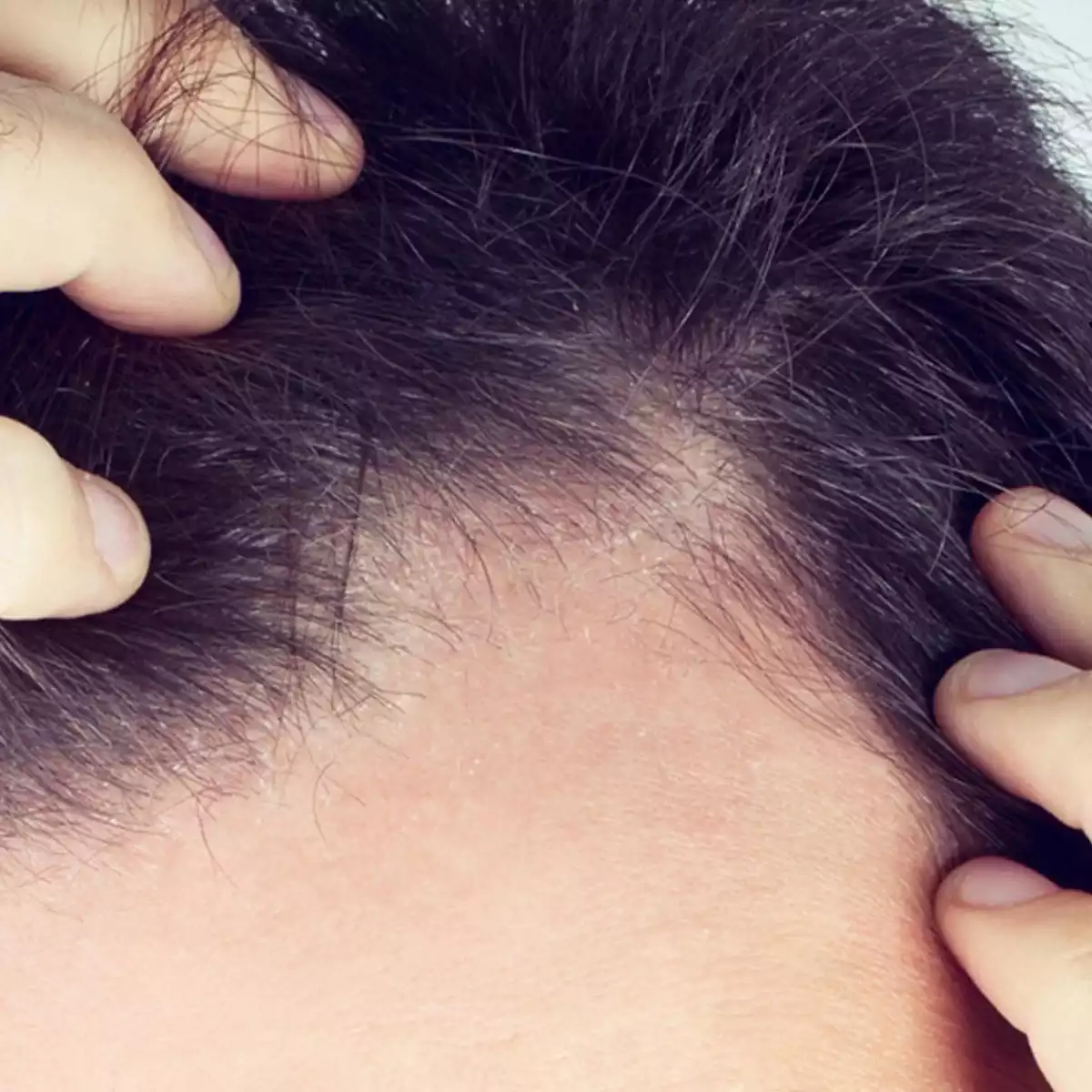
Iron is needed to make haemoglobin, the protein in red blood cells that carries oxygen to tissues throughout the body, including the hair follicles.
When iron is in short supply, the body may be unable to make enough haemoglobin. The resulting anaemia reduces the blood’s ability to deliver oxygen to tissues.
Some people with iron deficiency notice increased hair shedding.
Iron-deficiency anaemia is one possible finding when people seek care for hair loss.
What other symptoms can accompany hair shedding?
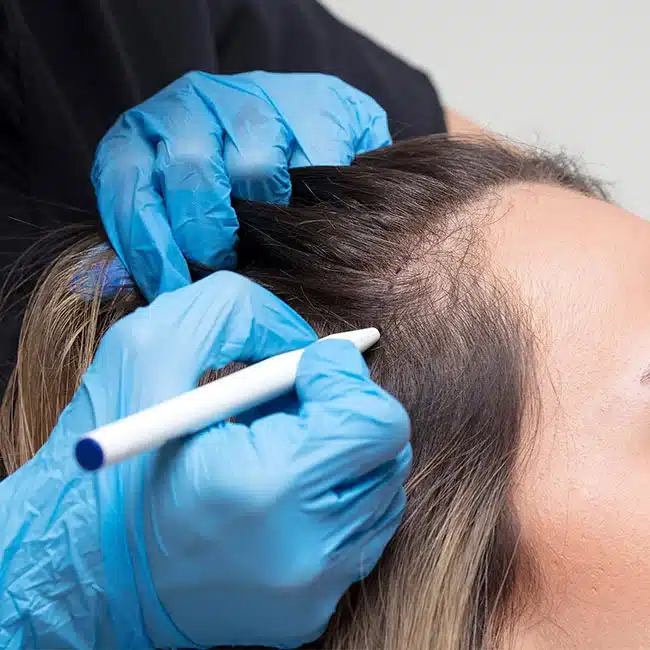
Iron deficiency can affect the hair as well as the rest of the body. Shedding can occur alongside symptoms of anaemia.
Other symptoms to mention to your clinician include the following.
- Pale skin, which may be more noticeable when haemoglobin levels fall.
- Unexplained tiredness or low energy, even during ordinary activities.
- Shortness of breath or chest discomfort, especially during activity.
- Weakness or reduced stamina.
- A fast heartbeat or noticeable palpitations.
- Ringing in the ears.
- Headaches.
- A sore tongue, which may appear smooth.
- Brittle nails and increased hair shedding.
Read: Hair Mineral Testing
Why does iron matter for hair?
Iron supports oxygen delivery to growing tissues, including hair follicles.
- Low iron may contribute to diffuse shedding.
- Iron also plays a role in processes involved in collagen production.
- Growing hair requires an adequate supply of nutrients.
- Breakage, dryness and frizz can have several causes. Read about frizzy hair.
- Pattern hair loss and alopecia areata have distinct causes and may require separate assessment.
How is iron deficiency treated?
Treatment depends on the cause and severity. A clinician may recommend dietary changes and iron replacement.
Getting iron from food
Include iron-rich foods and pair plant sources with vitamin C. Tea and coffee with meals can reduce iron absorption. Children with hair loss also need an age-appropriate dietary assessment. Read about hair loss in children.
Both animal and plant foods can supply iron.
- Meat, including beef, liver and poultry.
- Seafood, including salmon, tuna, prawns and mussels.
- Green vegetables such as spinach, broccoli and rocket.
- Pulses and soy foods, including lentils, beans, chickpeas and soybeans.
- Nuts, including cashews and almonds.
- Iron-fortified cereals such as fortified oats.
- Dried fruit, including raisins, apricots and prunes.
Medical treatment
A clinician considers the severity of the deficiency and the person’s needs when choosing treatment.
- Oral iron supplements.
- Intravenous iron when appropriate.
- A blood transfusion may be needed in selected cases of severe anaemia.
Consult a clinician before starting supplements. You can arrange comprehensive testing in Riyadh with Trust Medical Labs, where consultation is available.
How can I tell whether low iron is causing my hair loss?
Shedding around 50 to 100 hairs a day is common. A change from your usual pattern, especially with fatigue, weakness, dizziness or pallor, is worth discussing with a clinician.
In this situation, ask about testing for hair loss at Trust Medical Labs and whether iron studies are appropriate.
How is iron deficiency assessed?
Assessment may involve the following steps.
1. Medical history
- Your clinician asks when the shedding started, how it has changed, what you eat and whether you have had previous illnesses.
2. Physical examination
- The clinician examines the scalp and hair to assess the pattern of shedding and look for other changes.
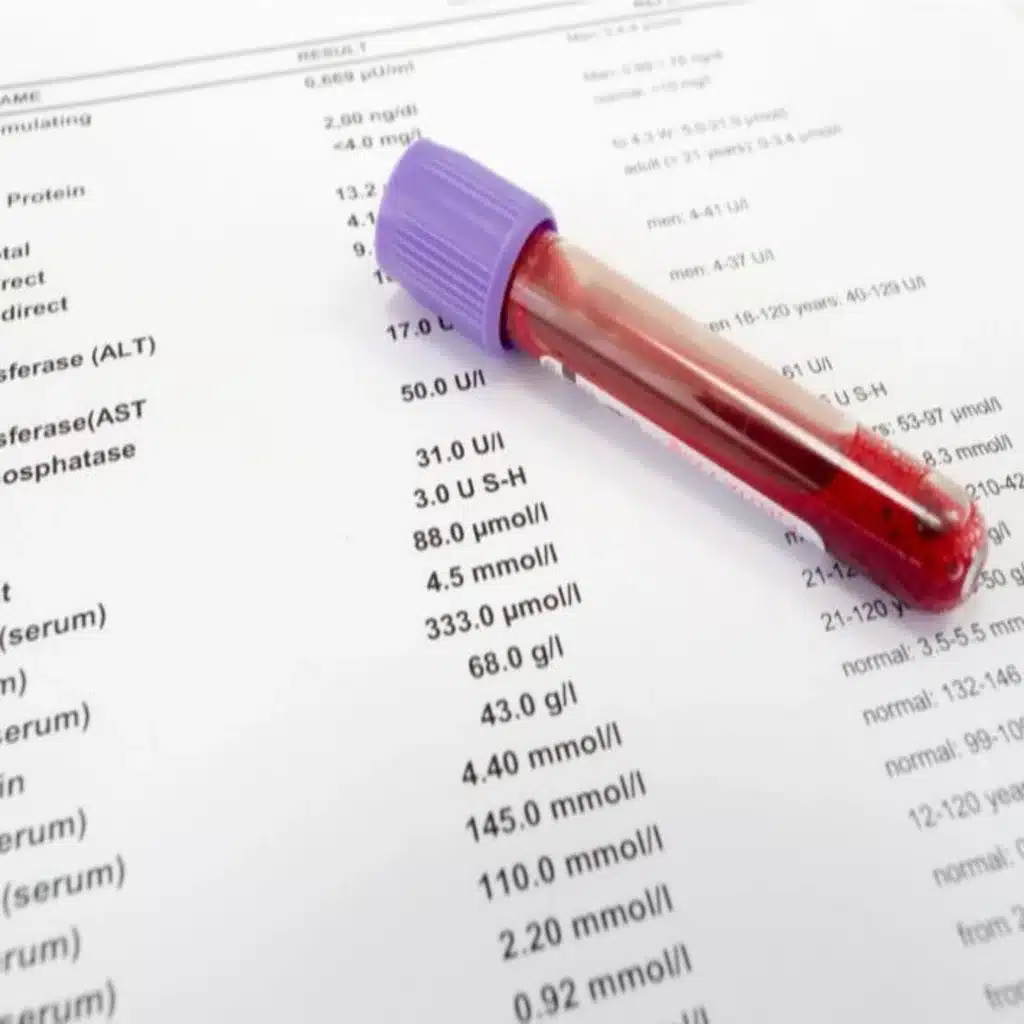
3. Blood tests
- Serum iron measures the iron circulating in the blood at the time of testing.
- Ferritin is a protein that stores iron. A blood ferritin test helps assess the body’s iron reserves.
- Haemoglobin is measured to check for anaemia.
- A complete blood count (CBC) assesses red blood cells and other blood components.
4. Hair analysis
- Hair mineral analysis is a separate test. Assessment of iron deficiency relies on clinical findings and blood tests.
Learn more about the Hair Loss Testing Package from Trust Medical Labs.
Your clinician can use the history, examination and test results to assess whether low iron is contributing to shedding and recommend treatment. Explore testing at our laboratory testing in Riyadh or see our current laboratory offers in Riyadh and at other branches.
Practical ways to support iron intake
The following habits may help.
- Eat iron-rich foods such as meat, poultry, fish, eggs and pulses.
- Pair plant sources of iron with vitamin C from foods such as oranges or strawberries.
- If tests show a deficiency, ask your clinician whether an iron supplement is appropriate.
- Have tea and coffee between meals to reduce their effect on iron absorption.
- Eat a varied diet that supplies a range of nutrients.
- Stay adequately hydrated.
- Exercise or meditation may help manage stress and support general wellbeing.
Low iron can contribute to hair shedding. If you notice persistent changes, discuss whether iron testing is appropriate for you.
Frequently asked questions
- What ferritin level stops hair shedding?
There is no single ferritin level that guarantees shedding will stop. Your clinician interprets the result alongside your symptoms and other test findings.
- Can iron tablets make hair thicker?
Treating a confirmed iron deficiency may help when it is contributing to shedding.
- Can hair grow back after iron treatment?
Regrowth may occur after iron stores recover if deficiency caused the shedding.
- Can low iron cause dry hair?
Dry hair has several possible causes. Dryness alone cannot establish whether you have iron deficiency.