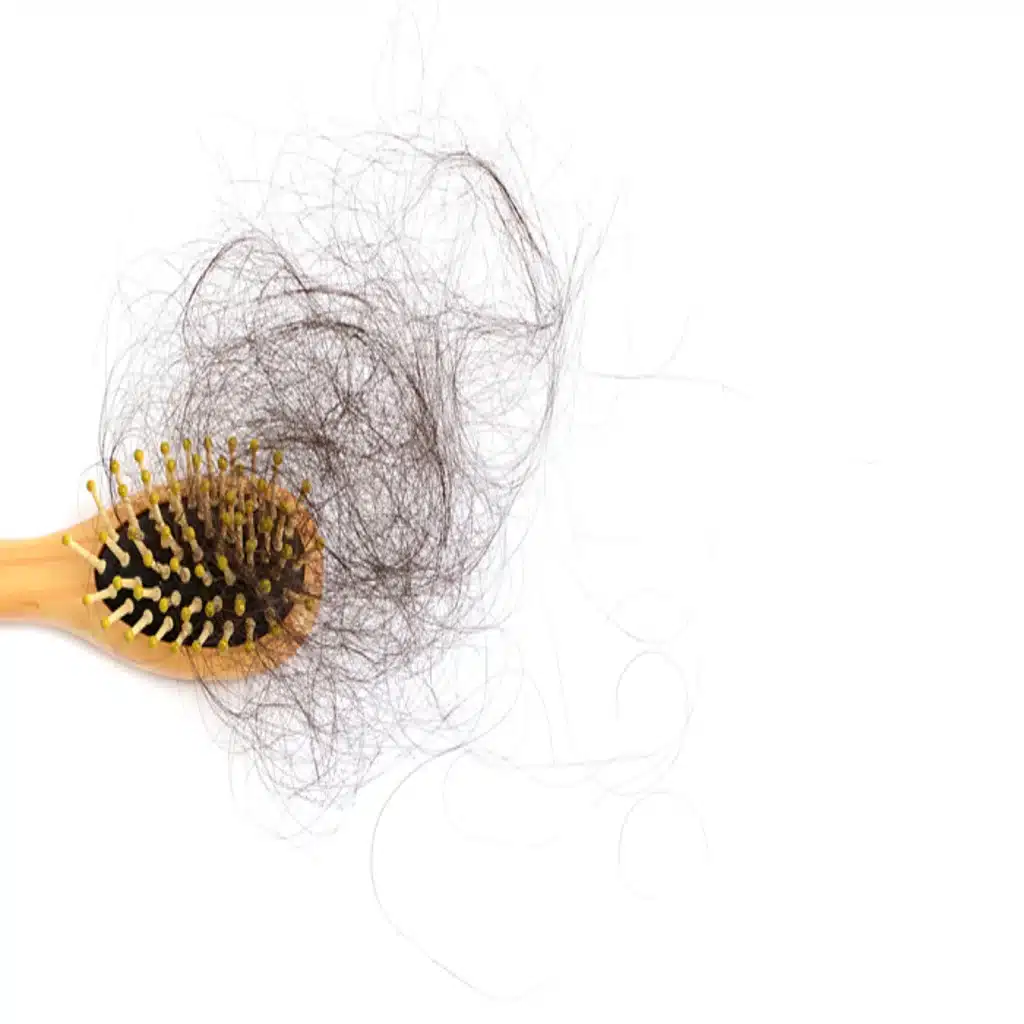
Isotretinoin, sold under brand names including Roaccutane, can dry the skin and scalp. Some people report temporary hair shedding during or after treatment. Other factors such as illness, weight changes or hereditary thinning may also be involved.
When might hair recover?
If the shedding is temporary and related to the treatment, it may improve gradually after the trigger resolves. Visible regrowth takes time. Tell the clinician who prescribed isotretinoin when it started and whether the shedding is diffuse or patchy.
What can you do?
Use gentle hair care and limit harsh heat or chemical treatments if the scalp is irritated. Discuss concerns with your prescriber before changing the dose or stopping treatment. Avoid adding vitamin A supplements unless your prescriber directs you to do so.
When are tests useful?
Persistent or severe shedding, bald patches or scalp inflammation deserve an assessment. A clinician can decide whether testing for iron deficiency, thyroid conditions or other causes is appropriate.