
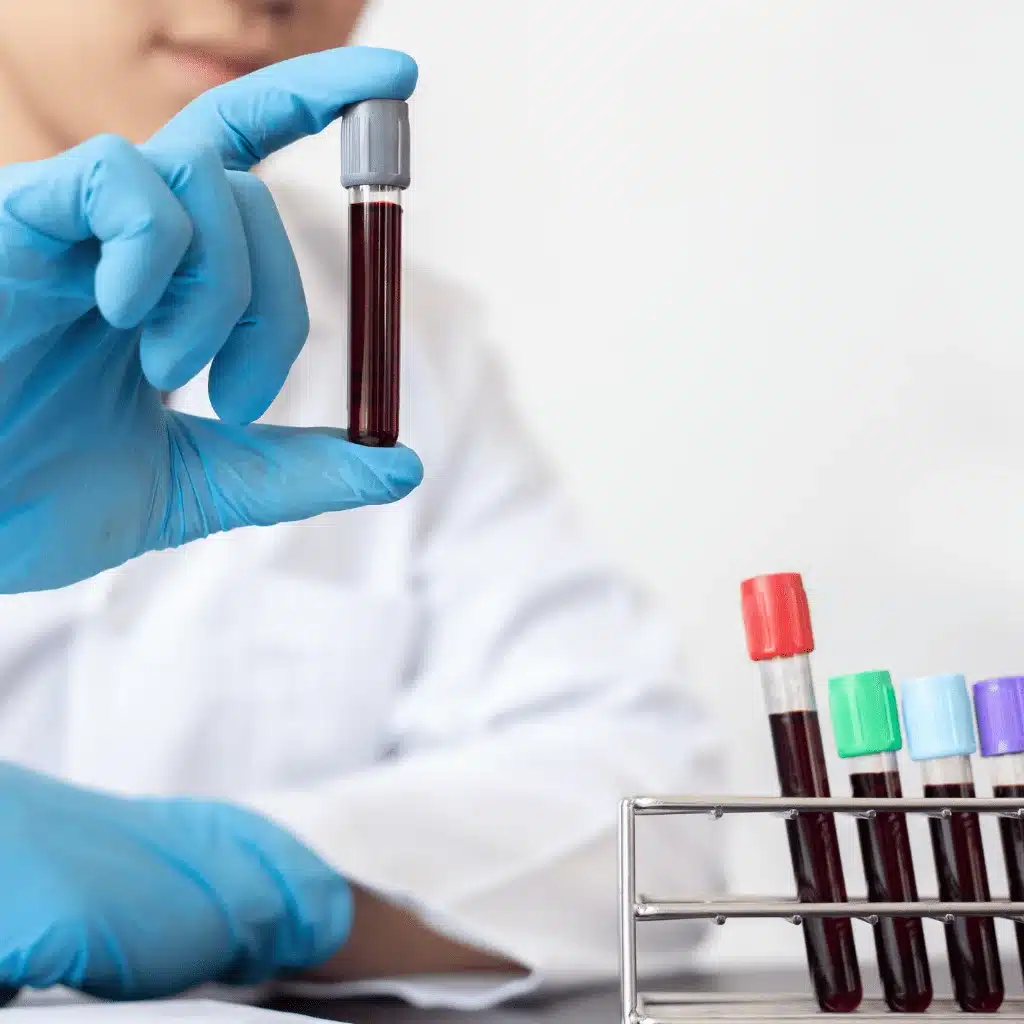
What does a syphilis blood test detect? This article explains why the test is ordered, how blood is collected and what the results can mean.
Trust Medical LabsWe Are Here to Help
Complete the Form
and We Will Contact You.
What is a syphilis test?
A syphilis test checks for evidence of infection with Treponema pallidum. It is a specific test for syphilis; other sexually transmitted infections require their own tests.
Syphilis most often spreads through sexual contact with an infectious sore during vaginal, anal or oral sex.
What is syphilis?
Syphilis is a bacterial infection that can spread during sexual contact with someone who has the infection.
Direct contact with a syphilis sore can transmit the infection. It can also pass from a pregnant woman to her baby.
Syphilis has four stages. Transmission through sexual contact is most likely in the primary and secondary stages.
Antibiotics can cure syphilis. Without treatment, serious complications can develop.
When do signs of syphilis appear?
The first sore usually develops where the bacteria entered the body, often about three weeks after exposure.
The sore appears during primary syphilis. Many people miss it because it is usually painless and may be hidden.
The bacteria can remain in the body for years without causing noticeable symptoms.
Untreated infection can later cause serious complications. Prompt assessment and treatment are important.
Related reading Is Syphilis Contagious?
Why get tested?
A blood test helps detect syphilis early so treatment can begin promptly.
Early diagnosis and treatment also reduce the chance of passing the infection to a partner or baby.
At Trust Medical Labs, you can book our Sexually Transmitted Infection Testing Package, which includes syphilis testing alongside tests for other STIs.
Syphilis Blood Tests
Blood tests look for antibodies produced in response to syphilis. The results are interpreted together with examination findings and any history of treatment.
Tests used in the assessment of syphilis include:
- Blood tests: a blood sample is checked for antibodies.
- Fluid from a sore: in some settings, fluid from a lesion can be examined under a microscope for evidence of infection.
- Cerebrospinal fluid: a clinician may recommend a lumbar puncture when the examination suggests nervous system involvement.
A reactive blood screening test usually needs a second, different test to confirm its meaning.
You can also discusstesting for other infections with your clinician, regardless of the syphilis result.
What happens during testing?
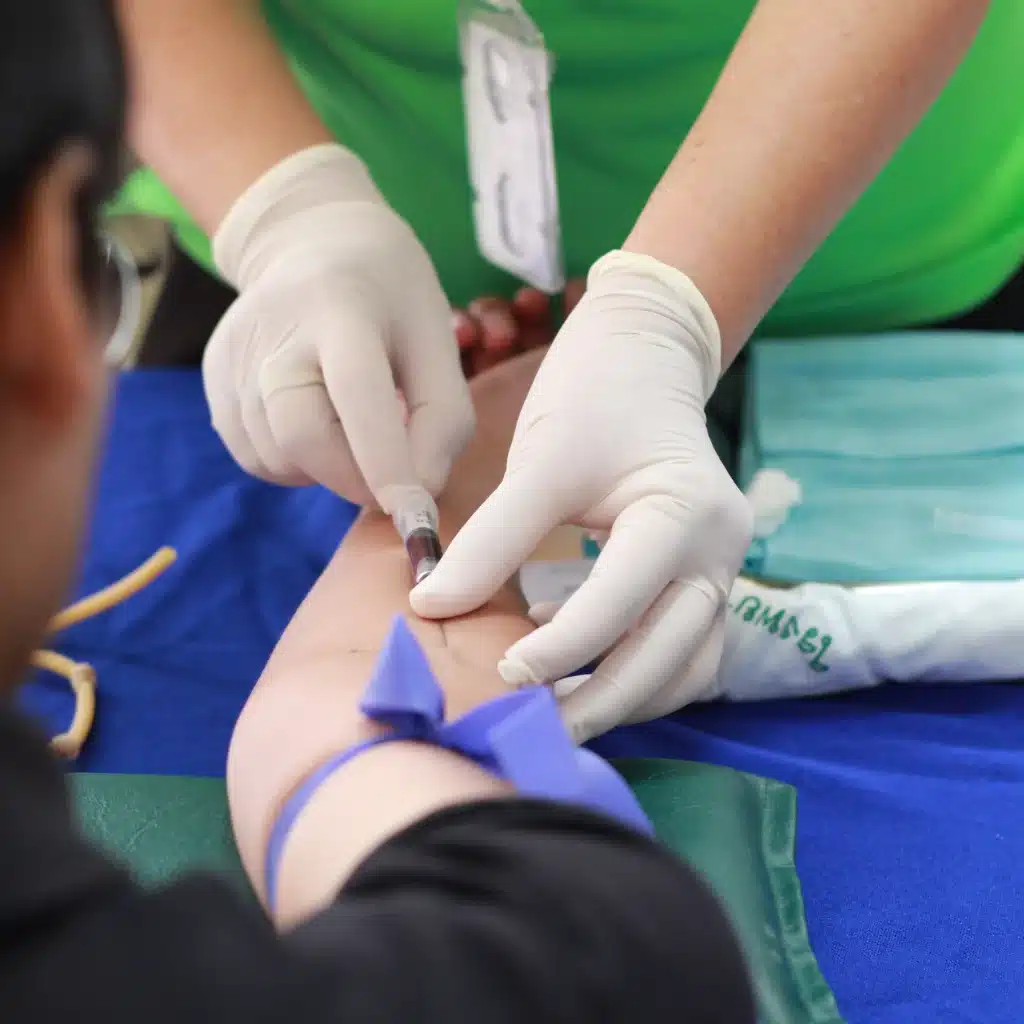
A healthcare professional uses a small needle to collect blood from a vein in your arm into a sample tube.
If there are signs that syphilis may be affecting the brain or spinal cord, a clinician may recommend testing cerebrospinal fluid. The usual steps are:
- You lie on your side or sit in the position requested by the clinician.
- The clinician cleans the skin on your lower back and injects a local anaesthetic.
- Once the area is numb, the clinician inserts a thin hollow needle between two bones in the lower spine to collect fluid.
- Collection of the sample takes a few minutes.
After the procedure, follow the care team’s instructions about rest and what to do if you develop a headache.
A syphilis blood test usually needs no special preparation. Before a lumbar puncture, the team may ask you to empty your bladder and give you specific instructions.
What are the risks?
A blood draw carries very little risk. Mild pain or bruising where the needle entered is possible.
A lumbar puncture can cause soreness in the lower back or a headache afterwards.
How are results interpreted?
Your screening result may be:
Negative No evidence of syphilis was detected by this test. Very recent infection may not yet show up.
PositiveA reactive screen may indicate syphilis. A different test is usually needed to confirm the result.
Antibodies may take several weeks to appear. Your clinician may recommend repeating the test if exposure was recent or symptoms persist.
If syphilis is confirmed, a clinician will prescribe an appropriate antibiotic, usually penicillin, and arrange follow-up.
Arrange testing for infectionspromptly if you have symptoms, as delayed treatment can lead to complications.
What can affect a result?
Some conditions may cause a false-positive result on a non-treponemal screening test. Possible associations include:
- Autoimmune conditions such as lupus.
- Recent vaccination.
- Injecting drug use.
- Pregnancy.
- Certain infections.
A reactive screening result, including one obtained at home, should be followed up with appropriate laboratory tests.Sexually Transmitted Infections and Their Complications.
How much does a syphilis test cost?
The price varies between laboratories in Saudi Arabia depending on the test and services offered.
Trust Medical Labs lists a price of SAR 160 for the syphilis test described here.
You can also read about STI Testing Costs in Riyadh
What does VDRL mean on a blood test?
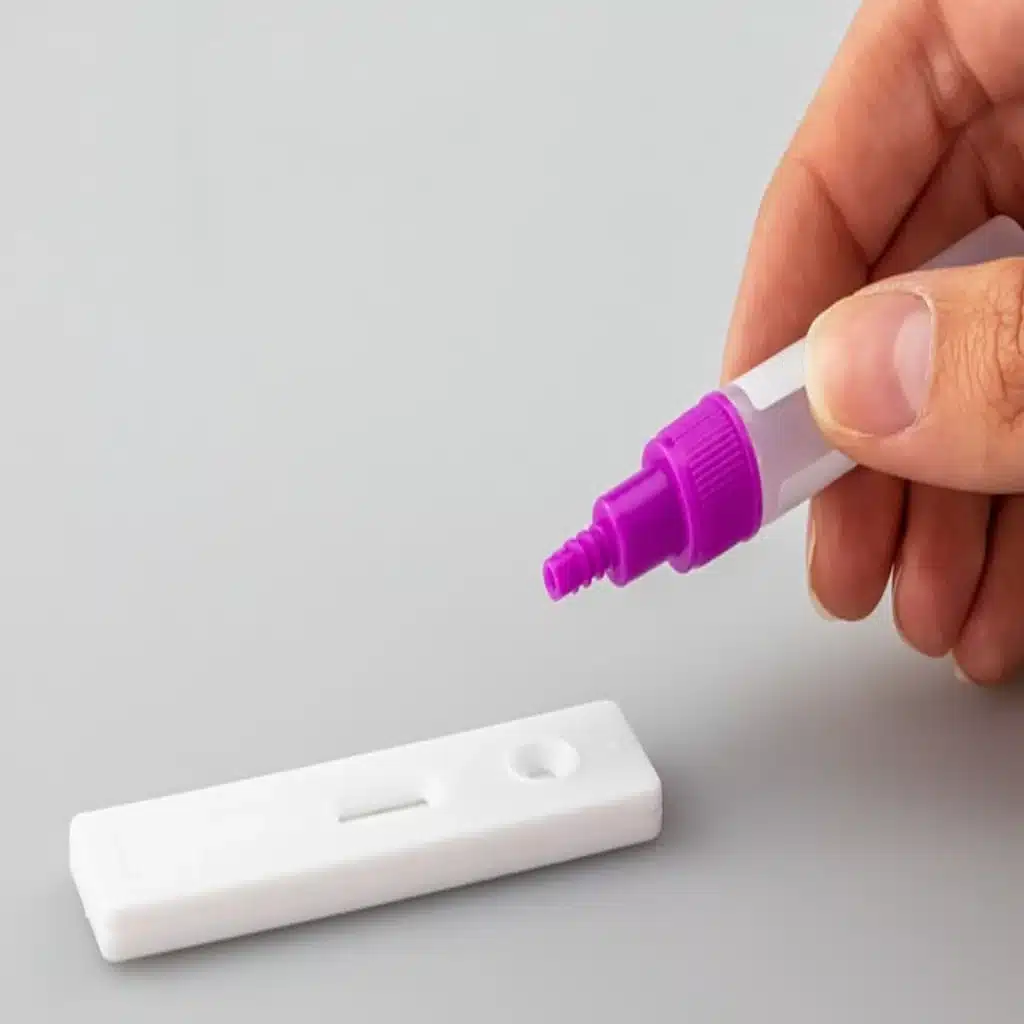
The Venereal Disease Research Laboratory (VDRL) test is a non-treponemal test. It looks for antibodies that may be present during syphilis infection.
A clinician may order it if there are symptoms of an STI. Other conditions can also make the test reactive.
The test is particularly sensitive during secondary syphilis. Its sensitivity varies with the stage, so a negative result does not always rule out infection.
Understanding your VDRL result
The following terms may appear on your result:
- Negative: the test did not detect the antibodies it measures. Early infection or certain later stages can produce a negative result.
- If the result is positive, you may have a current or previously treated infection. A treponemal test and your clinical history help clarify the finding.
What if VDRL is negative and TPHA is positive?
This combination needs clinical interpretation. It may reflect a previously treated infection or a current infection requiring treatment.
VDRL can be negative in some stages of syphilis.
Your clinician may review previous treatment or request another test before deciding whether treatment is needed.
Does VDRL detect HIV?
No. VDRL is used in syphilis assessment. A separate HIV test is needed to check for HIV infection.
If you develop symptoms of a sexually transmitted infection, arrange an assessment and discuss whether a syphilis blood test is appropriate.