Sexually transmitted infections (STIs) can be caused by bacteria, viruses or parasites. Some infections cause no symptoms. Testing can identify infections that need treatment and help protect partners.
When is testing useful?
Talk with a clinician after a new exposure, if a partner has an STI, during pregnancy when screening is recommended or if you have symptoms such as discharge, burning or sores. Seek urgent advice after a possible recent HIV exposure.
What samples might be needed?
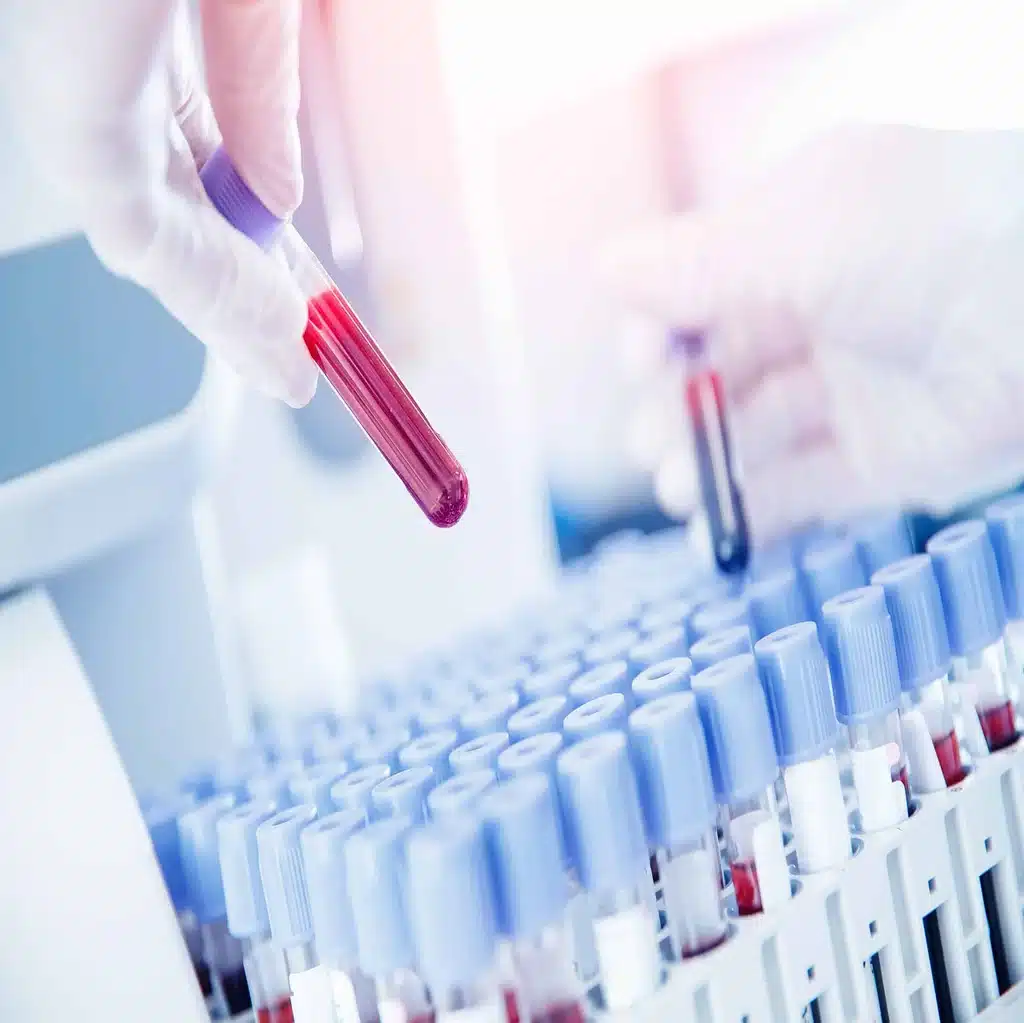
Depending on the infection and exposure, the test may use blood, urine or a swab from a specific site. A single test does not screen for every STI. Testing too early may miss an infection, so ask about the appropriate timing and whether to repeat it.
How can you reduce risk?
Use condoms correctly, discuss screening with partners and ask whether HPV and hepatitis B vaccination are appropriate. If you test positive, discuss treatment, follow-up and partner notification with your clinician.
Explore confidential testing packages · WHO: Sexually transmitted infections