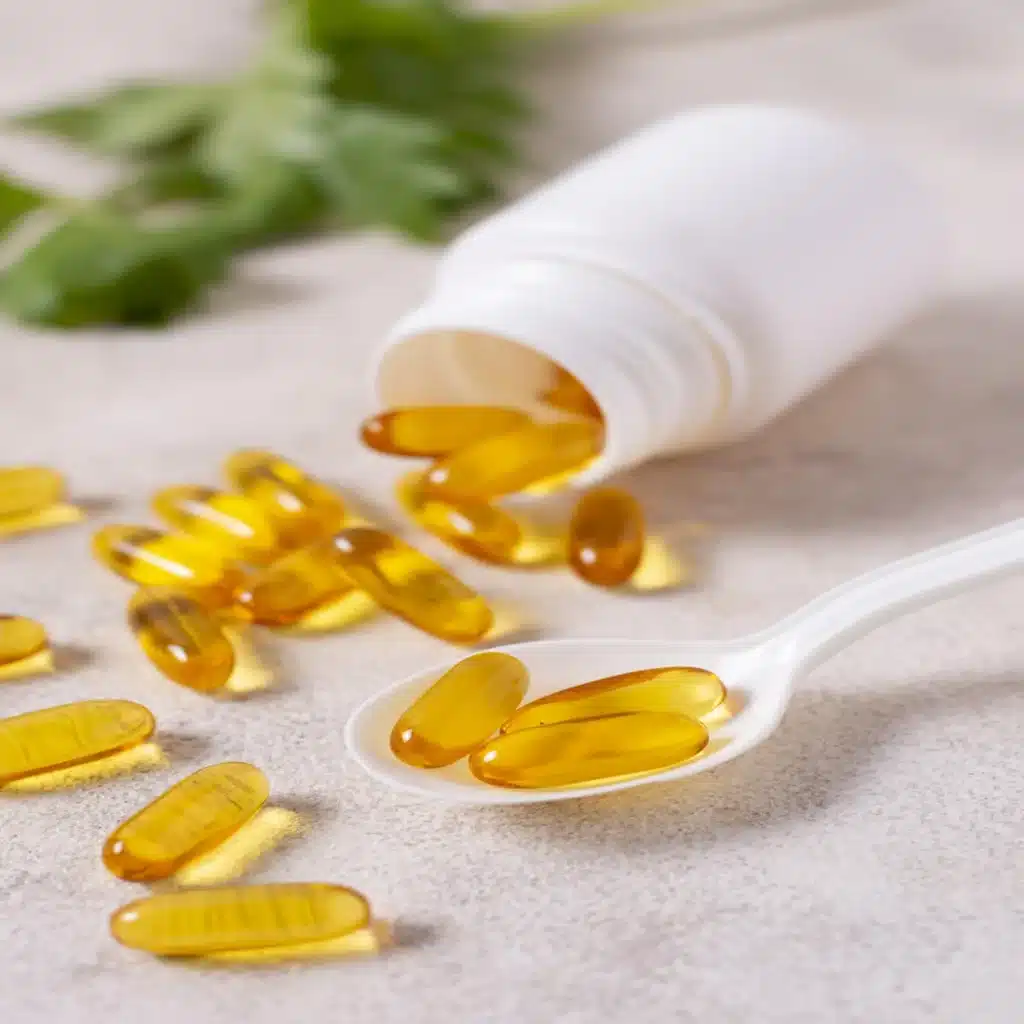
Vitamin D helps the body absorb calcium and supports bone health. It comes from some foods, fortified products and supplements. The skin can also make vitamin D when exposed to ultraviolet light, although the amount varies.
Food sources
Oily fish such as salmon and sardines are among the richer food sources. Some milks, plant drinks and cereals are fortified. UV-exposed mushrooms can provide vitamin D, and egg yolks contain smaller amounts. Check labels because fortification varies.
Can food alone correct a deficiency?
Food can help meet everyday needs, but a confirmed deficiency may require a supplement. Recommended intake varies with age and clinical circumstances. Ask before using cod liver oil or high-dose products because they can supply other vitamins or excessive amounts.
What does the blood test show?
Laboratories commonly measure 25-hydroxyvitamin D. Discuss the result in light of why you were tested. Follow sun protection advice and avoid relying on intentional unprotected exposure to treat a deficiency.