
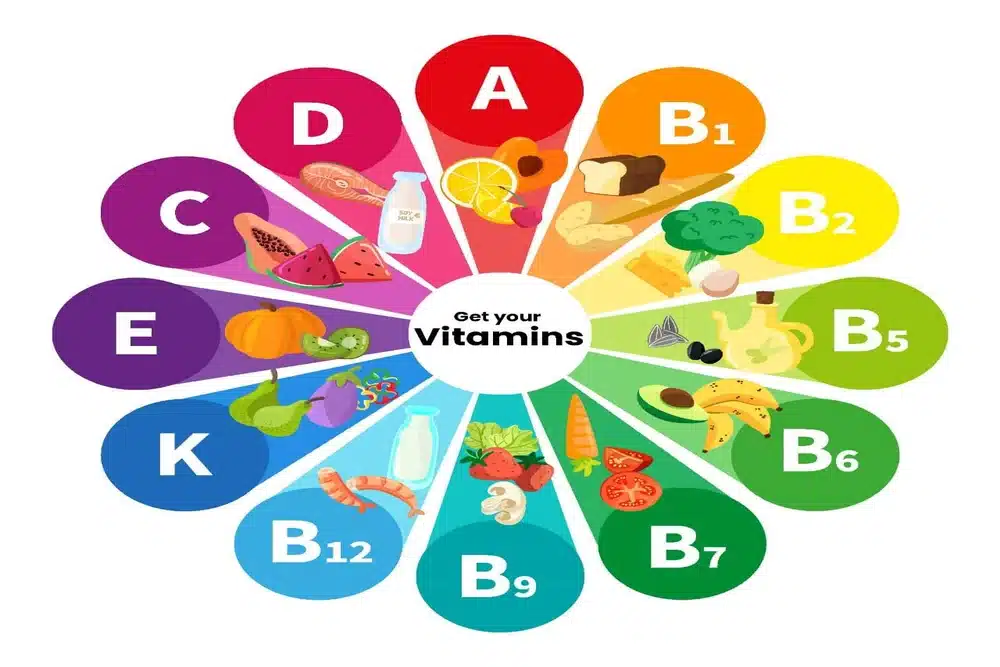
Vitamin A supports vision, immune function and normal growth. Deficiency can occur when intake is very low or when the body cannot absorb or store it adequately.
Which symptoms may occur?
Difficulty seeing in dim light is a classic sign. More severe deficiency can cause dryness or damage to the surface of the eye and needs prompt assessment. Changes in vision can have other causes.
Which foods provide vitamin A?
Eggs and dairy contain preformed vitamin A. Orange and dark green vegetables provide carotenoids that the body can convert. Liver contains concentrated preformed vitamin A, which matters when considering pregnancy or supplements.
How is deficiency treated?
A clinician can evaluate diet, digestive disease and possible symptoms before choosing treatment. Do not start high-dose vitamin A on your own. Excess can be harmful, especially during pregnancy.