
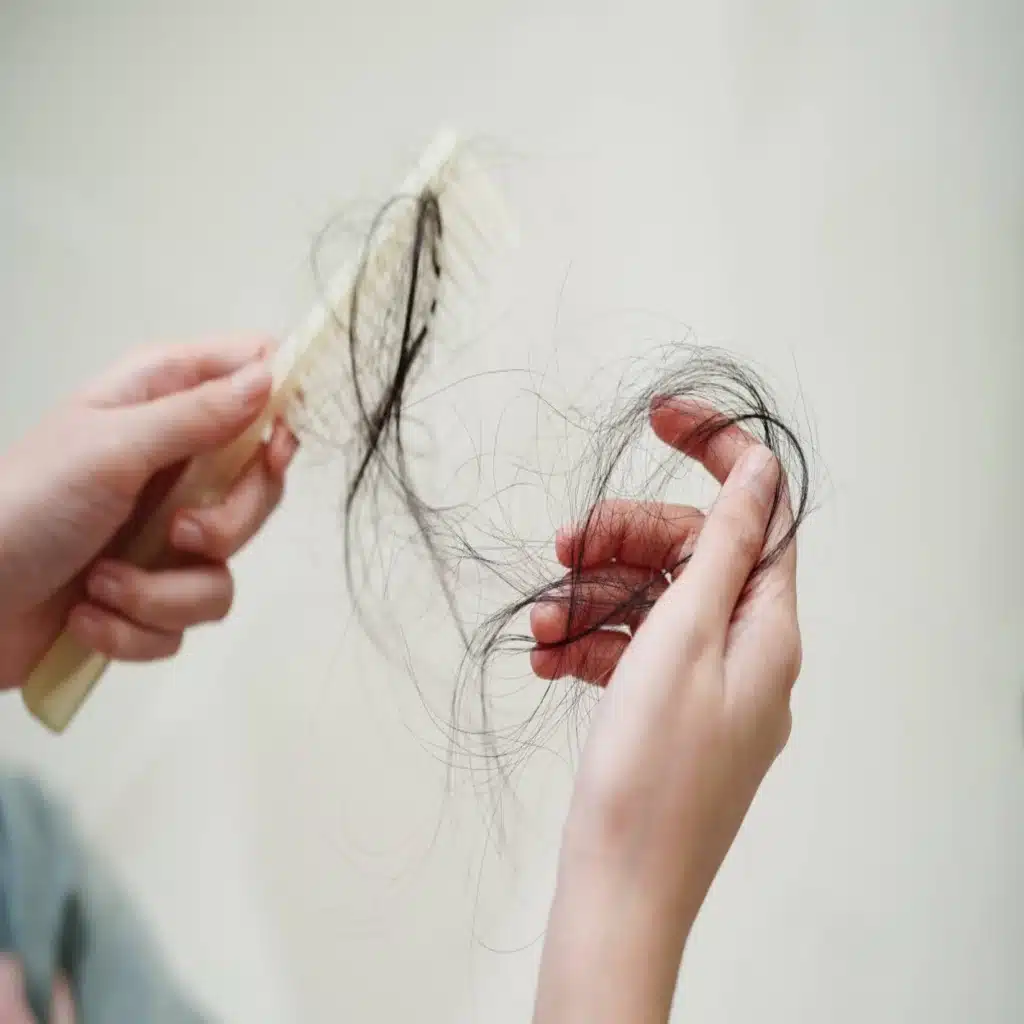
Hair shedding can begin several months after sleeve gastrectomy. Surgery, rapid weight loss and a period of lower food intake can shift more hairs into their resting phase. This type of diffuse shedding is called telogen effluvium.
How long does it last?
Shedding often eases as recovery and nutrition stabilize. Visible regrowth takes longer because hair grows gradually. Timing varies, and ongoing shedding can have another cause.
Which nutrients matter?
Follow the protein goals and supplement plan set by your bariatric team. Depending on your symptoms and previous results, the team may check iron stores, zinc, folate or other nutrients. Avoid treating suspected deficiencies on your own, since high-dose supplements can cause harm or interfere with one another.
How long will I need supplements?
Bariatric surgery generally requires long-term nutrition follow-up. The type and dose of supplements depend on your operation, diet and blood test results. Hair shedding is one reason to review the existing plan with your team.
When to get an assessment
Contact your bariatric team if shedding is heavy or continues, or if you have fatigue, dizziness or difficulty meeting intake goals. Patchy loss, a sore scalp or visible inflammation merits a scalp examination.