Carbohydrates, fats and proteins provide energy. Vitamins help the body use nutrients and perform many other functions, but they do not supply calories themselves.
Which foods give you energy?
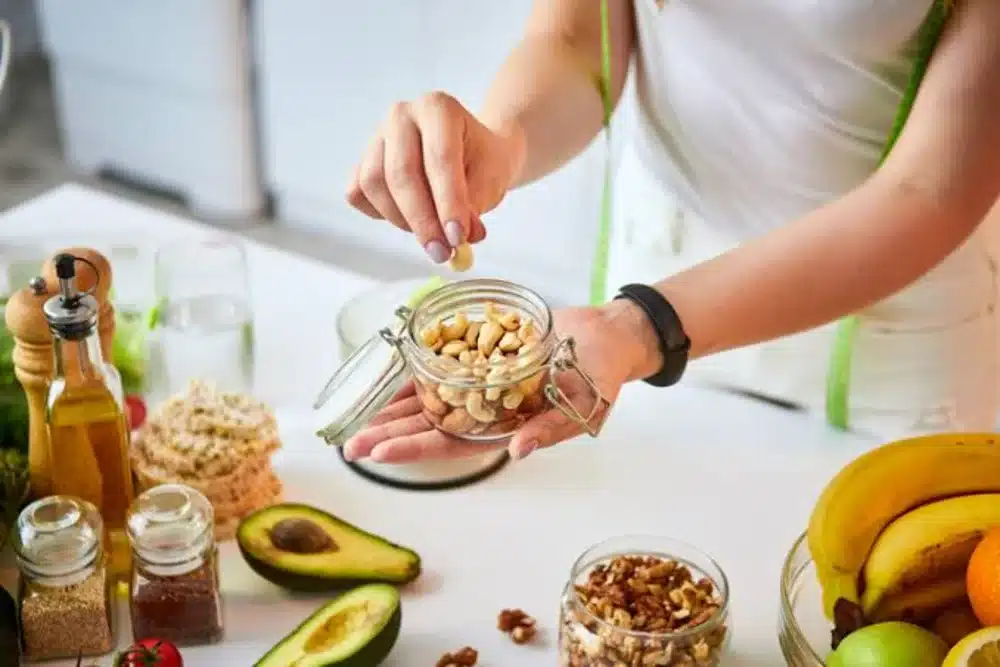
Grains, legumes and fruit provide carbohydrates. Nuts, seeds and oils contribute fat. Beans, dairy, fish, meat and other foods can supply protein. A balanced intake supports energy needs and provides a range of micronutrients.
How does vitamin absorption work?
Most vitamin absorption takes place in the small intestine. Vitamins A, D, E and K are fat soluble. A meal containing some fat can help their absorption. Vitamin B12 uses a different process that depends on stomach and intestinal function.
What can interfere with absorption?
Certain digestive disorders, operations and medicines can affect absorption. Ongoing diarrhea or unintentional weight loss may warrant assessment. Herbal products have no established role as a general treatment for malabsorption. Care should address the cause and any confirmed deficiency.