
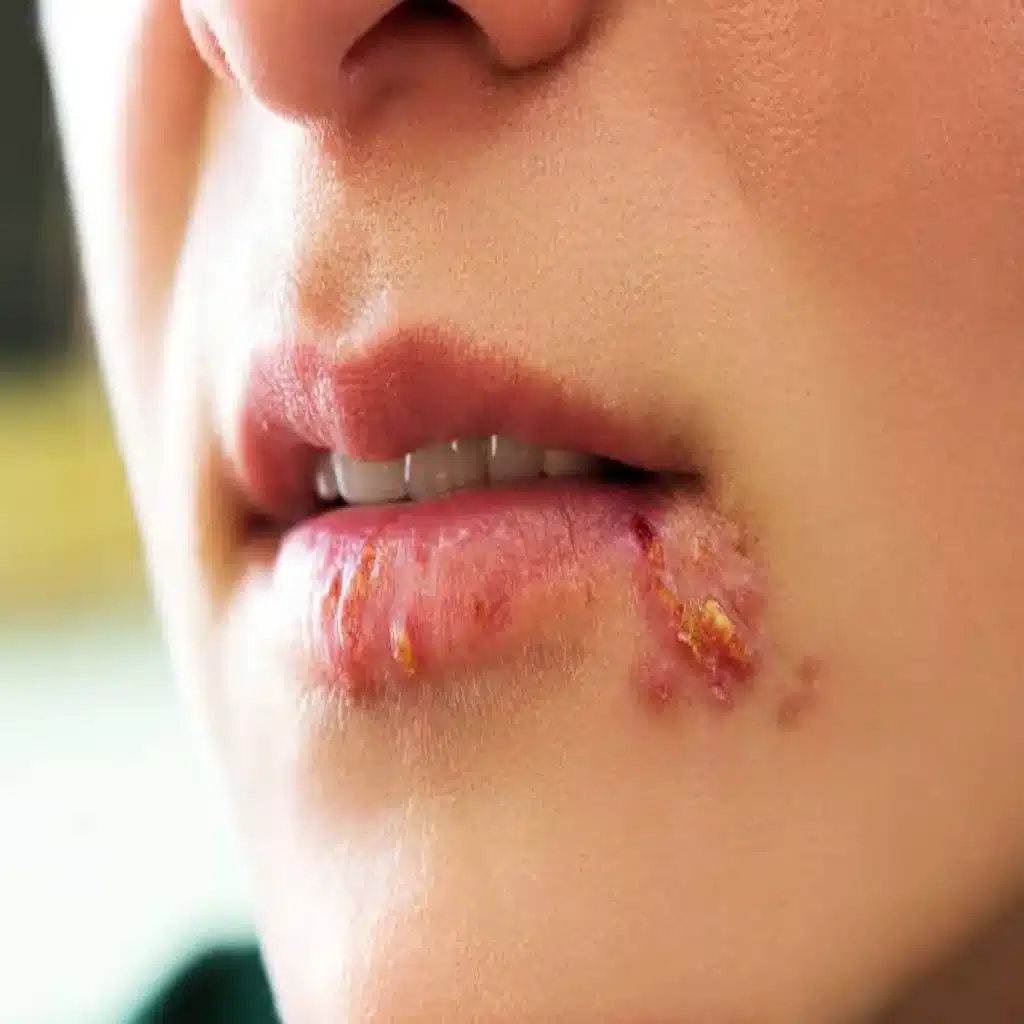
Syphilis is a sexually transmitted infection. In women, early signs can go unnoticed. A sore on the vulva or inside the vagina may be the first sign, often around three weeks after infection. This article describes the stages, signs and tests used to diagnose syphilis.
Trust Medical LabsWe Are Here to Help
Complete the Form
and We Will Contact You.
Can women get syphilis?
Syphilis can affect women, men and children. It spreads through sexual contact and can pass from mother to baby through the placenta. The bacterium Treponema pallidum can enter through skin or mucous membranes during contact with an infectious lesion.
How can I tell whether I have syphilis?
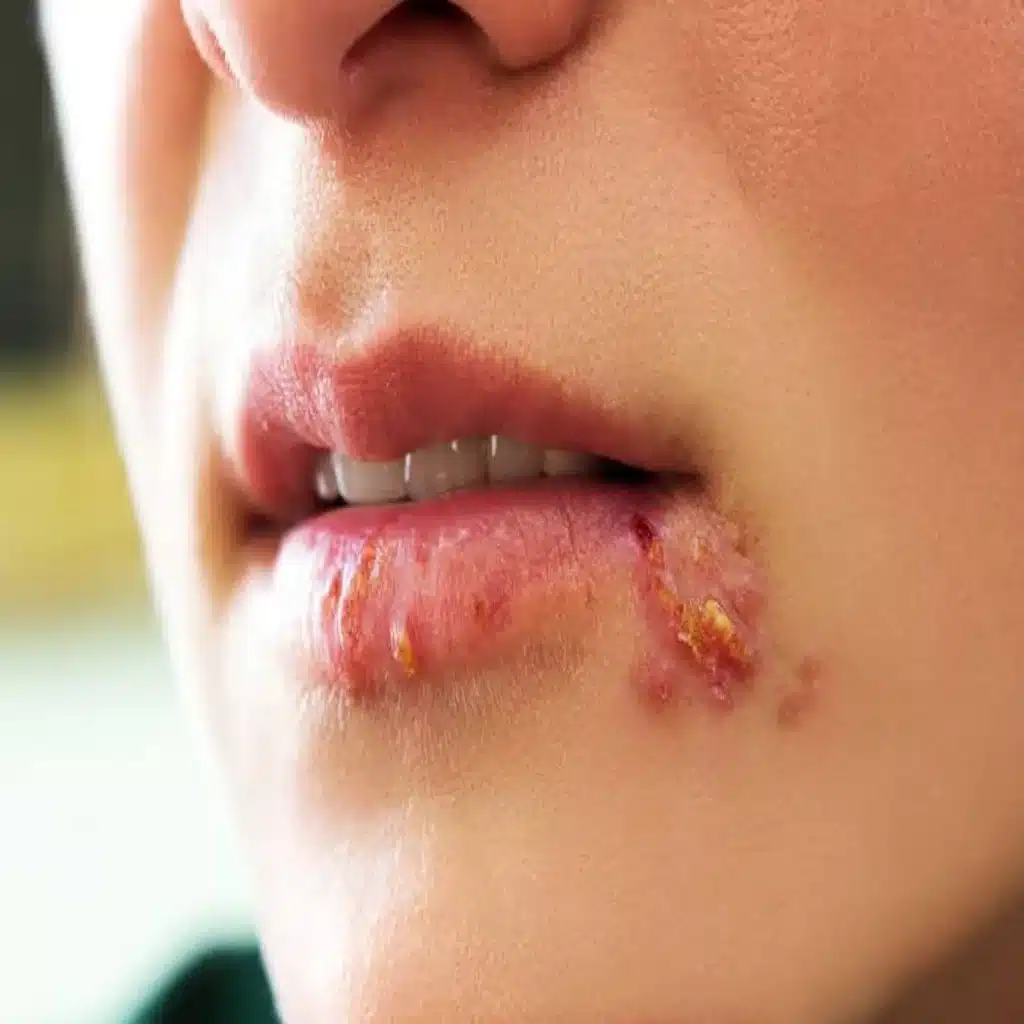
A sore may be the first sign. If the infection goes untreated, further symptoms may develop. Other conditions can cause similar signs, so testing is needed to confirm the diagnosis.
What are the symptoms of secondary syphilis?
Signs can include:
- A rash, often without itching, on the trunk, soles or palms.
- Rough red or brown patches.
- Large white or grey lesions in warm, moist areas such as the mouth, groin or armpit.
Other symptoms during this stage may include:
- Fever.
- Sore throat.
- Headaches.
- Hair loss.
- Swollen lymph nodes.
- Unexplained weight loss.
- Fatigue.
- Muscle aches.
Latent syphilis
In this stage there are usually no symptoms, but the infection remains in the body. Treatment is still needed to prevent complications.
Tertiary syphilis
This uncommon late stage occurs in some people who have not received adequate treatment. It can develop decades after infection and can seriously damage major organs. Syphilis can also affect the nervous system, sight or hearing.
Possible complications include:
- Inflammation of the aorta.
- Meningitis.
- Headaches.
- Confusion.
- Stroke.
- Difficulty keeping your balance when walking.
- Seizures.
- Mental health or behavioural changes.
Seek medical assessment if you notice a sore or unexplained rash. Diagnosis commonly involves blood tests. In selected cases a clinician may examine fluid from a lesion or request cerebrospinal fluid testing. Learn more about sexually transmitted infections.
Syphilis in Women
Syphilis generally causes the same symptoms in women and men.
Primary syphilis often causes a firm, round, painless sore. It can develop inside the vagina or on the vulva. It usually heals within three to six weeks, even without treatment, but the infection remains and can progress.
Related reading Syphilis Blood Tests
Syphilis during pregnancy

Syphilis can cross the placenta and can also be transmitted during birth. Some babies born with congenital syphilis develop the following signs:
- Sores and a rash.
- Fever.
- Jaundice, or yellowing of the skin and eyes.
- Anaemia.
- An enlarged spleen and liver.
- Sneezing or a persistent runny nose.
- Bone changes.
Without treatment, other signs may develop:
- Hearing loss.
- Dental problems.
- A collapsed nasal bridge.
Untreated congenital syphilis can also cause delayed development, seizures or death. Antenatal syphilis testing is recommended. Testing is available at our laboratory testing in Riyadh through Trust Medical Labs.
Does syphilis go away on its own?
A syphilis sore often heals within three to six weeks, with or without treatment. The infection can remain after the sore disappears. Appropriate antibiotics can cure the infection, and early treatment helps prevent lasting damage.
Related reading Is Syphilis Contagious??
One woman’s experience with syphilis
The following account describes how one patient noticed symptoms and sought testing and treatment.
“We used a condom, but it broke during sex. About two or three weeks after our first sexual contact, I noticed a rash and sores around my vagina. The rash had already spread to my legs, and I worried it might be serious.”
She continued: “I was frightened by what was happening to my body. I saw my gynaecologist, who ordered blood tests as part of STI screening. I went to a Trust Medical Labs branch for the tests and asked about its testing packages.”
Ask about Trust Medical Labs offers.
“My blood test confirmed syphilis. My clinician prescribed a course of antibiotics. The symptoms went away, but I still remember how upsetting the experience was. I would encourage couples to discuss testing before marriage or a new sexual relationship.”
Syphilis can cause serious complications affecting the skin, bones, liver and other organs. Early diagnosis allows treatment to start before further damage occurs.