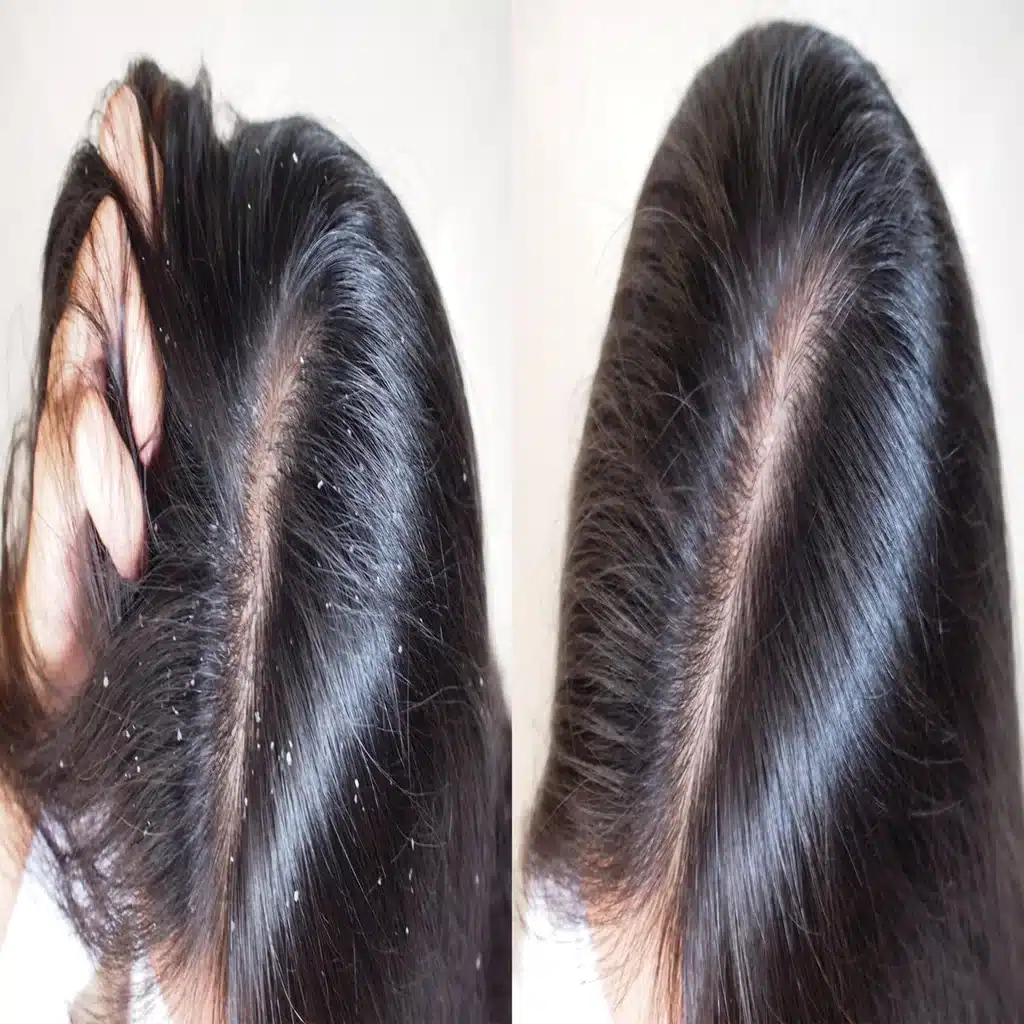
Dandruff is common and may cause flakes or itching. Treatment depends on whether symptoms involve seborrheic dermatitis, dryness, irritation, or another scalp condition.
Trust Medical LabsWe Are Here to Help
Complete the Form
and We Will Contact You.
This guide explains causes and practical treatment approaches.
What Causes Excessive Flaking?
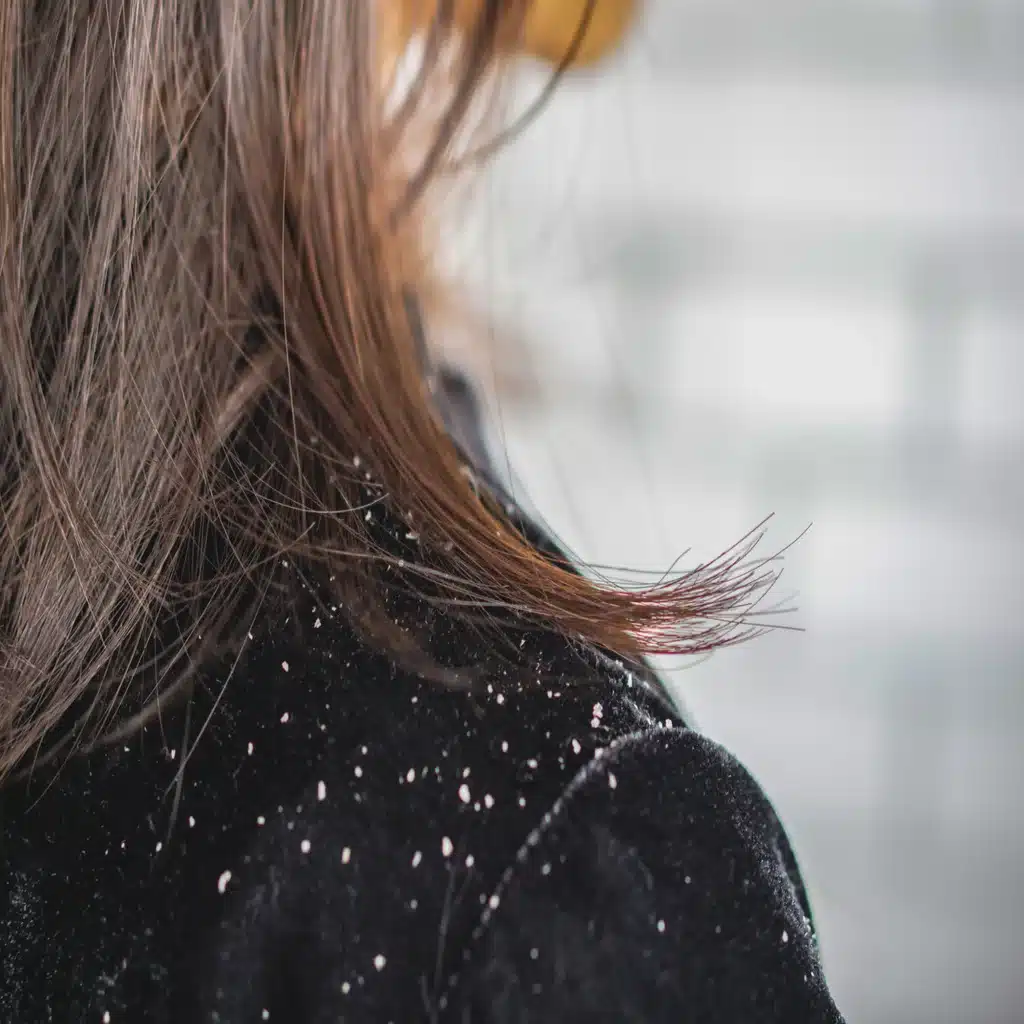
Identifying the cause guides care. Possibilities include:
1. Seborrheic Dermatitis
An inflammatory condition affecting oily areas, including the scalp.
2. Skin Conditions
Possible conditions include:
- Psoriasis.
- Eczema.
- Scalp Ringworm.
- Contact Dermatitis.
3. Malassezia Yeast
This normal skin yeast can contribute to inflammation and flaking in susceptible people.
4. Products and Shampoo
Unsuitable ingredients may irritate sensitive skin.
Infrequent cleansing permits buildup, while harsh or excessive washing can worsen dryness.
5. Environment and Nutrition
- Cold, dry weather may aggravate symptoms.
- Deficiencies may be relevant in selected cases but do not explain most dandruff.
6. Other Conditions
Symptoms may be more severe with:
- Immune Suppression.
- Selected Nutritional or Metabolic Conditions.
- HIV, Parkinson's Disease, and Some Neurological Disorders.
- Recovery from Significant Illness.
- Stress and Other Health Factors.
A clinician may consider targeted testing for hair loss at Trust Medical Labs if indicated. Blood testing does not diagnose every scalp condition.
Scalp examination often comes first; tests follow the suspected cause.
Learn About: What Causes Scalp Itching?
How Can Dandruff Be Treated?
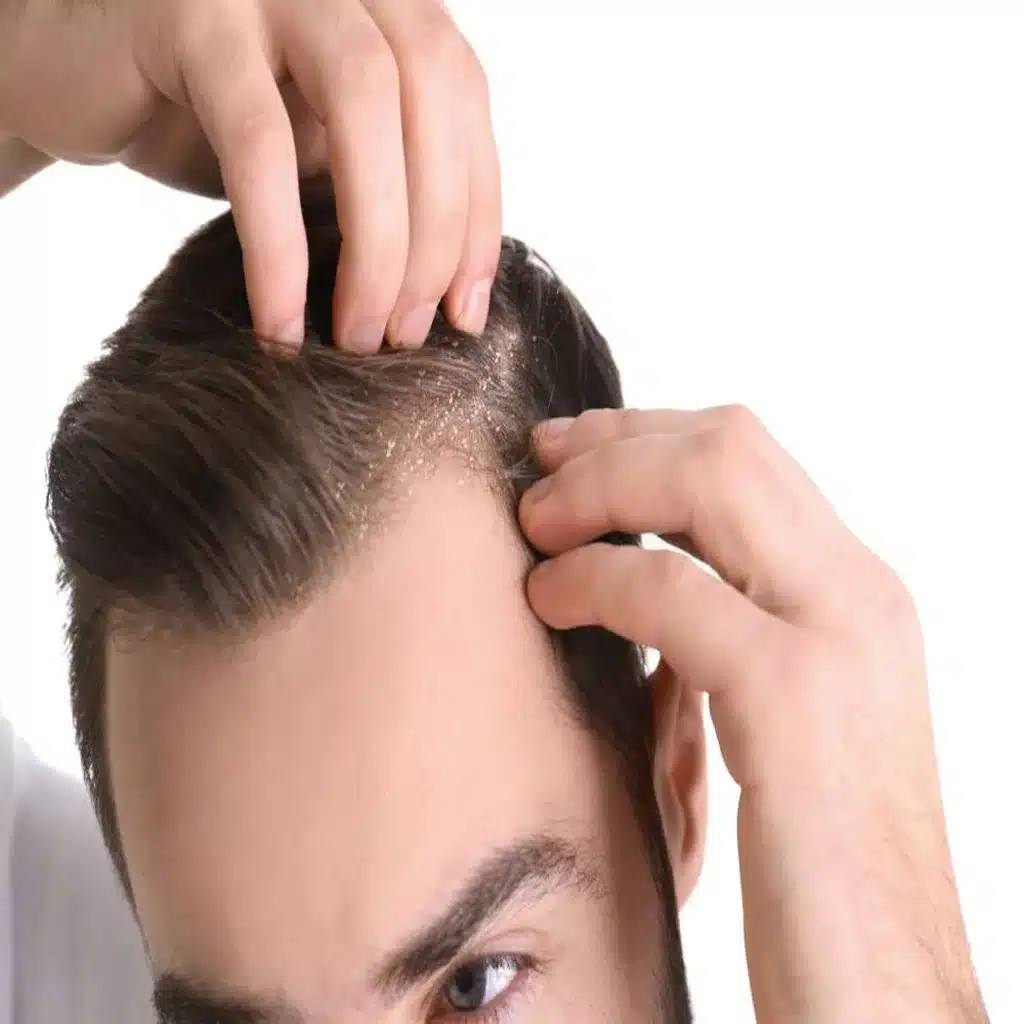
Options include:
Anti-Dandruff Shampoo
- Ketoconazole: antifungal treatment for selected dandruff-related conditions.
- Zinc Pyrithione: an ingredient in some dandruff products.
- Coal Tar: reduces scaling but can increase sun sensitivity.
- Salicylic Acid: loosens scales.
- Selenium Sulfide: controls yeast-related flaking; follow instructions.
- Sulfur: used in some keratolytic products.
- Tea Tree Oil: may irritate or cause allergy.
Other Medical Treatments
Persistent symptoms or another diagnosis may require:
- Diagnosis-specific antifungals; scalp ringworm generally needs a different approach from ordinary dandruff.
- Selected prescribed anti-inflammatory medicines.
- Specialist systemic treatment in unusual severe cases, not routine dandruff care.
- Brief prescribed topical steroids for significant inflammation.
- Age-appropriate guidance for infant cradle cap; avoid unsupervised adult medicines.
The clinician determines suitable medication and duration.
Inflammation and scratching can contribute to shedding. Hair loss with flakes needs assessment. Trust Medical Labs, a provider of laboratory testing in Riyadh offers Hair Loss Testing Package for suspected medical or nutritional contributors.
Home Care and Traditional Remedies
Evidence for many remedies is limited, and natural products can irritate.
Consider individual tolerance:
Coconut Oil
It may help condition dry hair by:
- Reducing Dryness.
- Improving Comfort if Tolerated.
- Laboratory antimicrobial activity does not prove clinical dandruff treatment.
Tea Tree Oil
Some formulated products contain antimicrobial tea tree oil.
Avoid undiluted essential oil and stop if irritated.
Lemongrass Oil
Evidence and tolerance vary.
Use a suitable formulated product; water does not reliably dilute essential oil.
Aloe Vera
May soothe some skin but can also cause sensitivity.
Follow product directions and stop if symptoms worsen.
Baking Soda
Can irritate the scalp.
Avoid scrubbing it into inflamed skin; it is not preferred treatment.
Apple Cider Vinegar
Reliable evidence for dandruff treatment is limited.
Acidic homemade mixtures can burn or irritate; prefer established products.
Garlic
Not an established dandruff remedy and may cause burns.
Do not apply raw garlic paste to the scalp.
Do not let home remedies delay assessment of worsening symptoms.
Reducing Flares
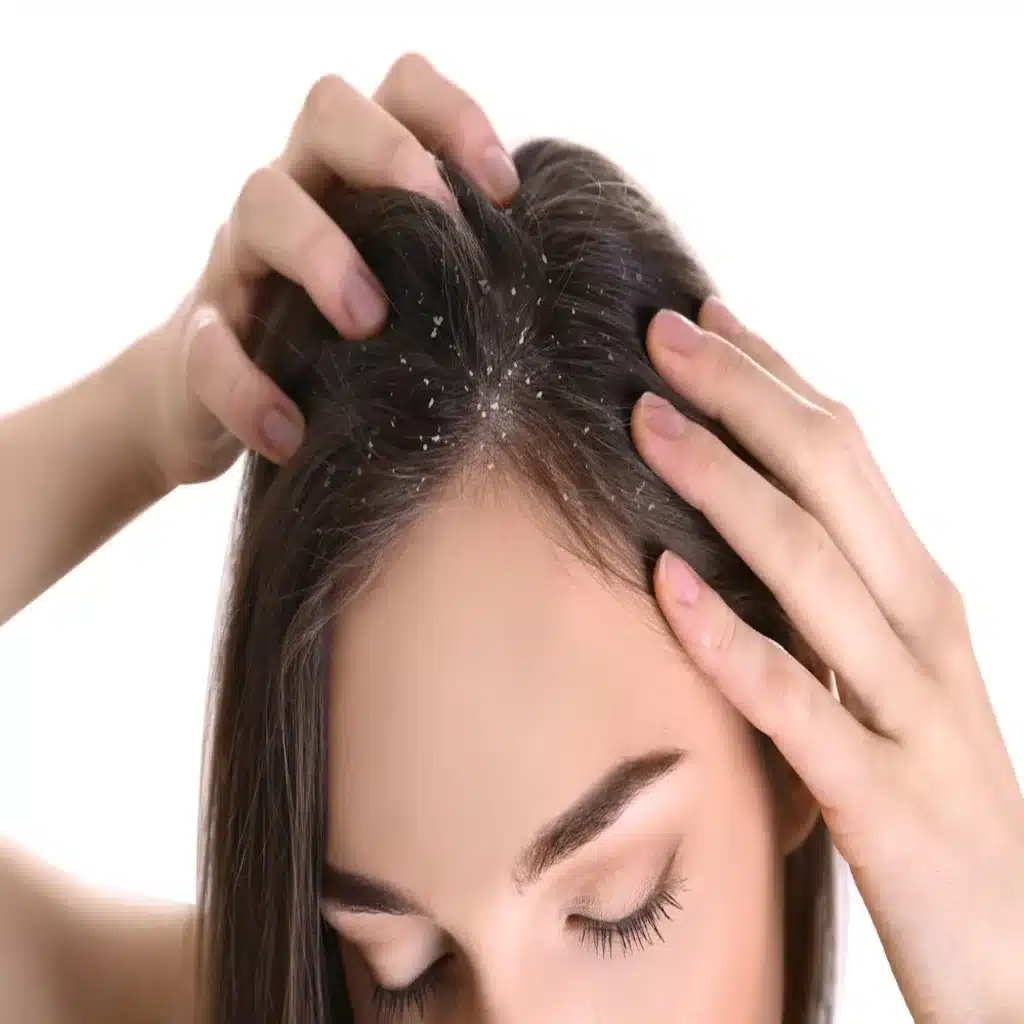
Helpful measures include:
- Use appropriate shampoo as directed; ask about changing active ingredients if needed.
- Cleanse adequately without harsh over-washing.
- Use Lukewarm Water.
- Avoid Scratching and Excessive Styling Heat.
- Protect the scalp from excessive sun rather than using sunlight as treatment.
- Reduce irritating or residue-heavy products.
- Eat a Balanced Diet.
- Manage stress, which can worsen inflammatory conditions.
Read: Frizzy Hair Causes.
When to Seek Advice
Seek assessment for:
- Persistent Flakes Despite Suitable Treatment.
- Ongoing Redness, Swelling, or Severe Itching.
- Associated Hair Loss.
- Painful or Thick Crusts.
- Symptoms Affecting Everyday Life.
Ask About laboratory offers Trust Medical Labs and comprehensive tests in Riyadh appropriate testing at our branches.
Different Causes of Flaking
Appearances and causes vary:
Dry Scalp
Dry skin can produce small flakes.
Cold weather, hot water, and harsh products may contribute.
Small white flakes may accompany mild itching.
Gentle cleansing and suitable moisturizing may help; severe symptoms need advice.
Oily Scalp
Greasy scales commonly accompany seborrheic dermatitis.
Hormonal changes, stress, and buildup may influence symptoms.
Flakes can be larger, yellowish, and itchy.
Suitable regular cleansing may help.
Yeast-Associated Dandruff
Malassezia contributes in susceptible people. This differs from scalp ringworm.
A suitable antifungal shampoo may help; persistent symptoms require assessment.
Seborrheic Dermatitis
A recurring inflammatory condition of oil-rich areas.
White or yellow flakes with redness and irritation.
Dandruff shampoos and selected prescribed anti-inflammatory treatments can control symptoms.
Scalp Psoriasis
Immune-mediated rapid skin-cell turnover produces thick plaques.
Whitish or silvery scales may extend beyond the hairline.
Treatment may include scale-softening products and prescribed medicines.
Product Buildup
Gels, creams, or oils can leave flakes and irritate. Moderate use and suitable cleansing can reduce residue.
When Is Flaking Concerning?
Dandruff is usually not dangerous, but similar symptoms may indicate another condition.
Persistent severe scale, pain, swelling, or inflammation warrants assessment.
Sores, significant hair loss, or severe itching may need medical care, particularly with suspected infection.
What Causes Psoriasis?
Immune signaling accelerates skin-cell turnover.
Cells accumulate into thick, scaly plaques.
Associated Factors and Triggers:
- Genetic Predisposition.
- Immune Activity.
- Stress.
- Cold, Dry Weather.
- Skin Injury.
- Certain Infections.
- Medicines Such as Lithium or Selected Blood-Pressure Treatments.
- Hormonal or Other Life Changes.
- Smoking and Alcohol.
What Makes Scaling Worse?
Severity depends on irritation, environment, and the underlying condition.
Aggravating factors include:
- Stress.
- Dry or Cold Weather.
- Irritating Products.
- Skin Injury or Friction.
- Fungal Infection or Yeast-Related Inflammation.
- Hormonal Changes.
- Scratching.
- Genetic Susceptibility.
- Inappropriate Cleansing.
Frequently asked questions
How Should a Flaky Scalp Be Cleaned?
Use a suitable anti-dandruff shampoo according to its contact-time and frequency instructions, avoiding very hot water.
Clean gently and reduce irritating styling residue.
Is There a Permanent Cure?
Many people control recurring dandruff with suitable shampoo and gentle regular care, though symptoms may return.
Treat the specific cause when psoriasis, infection, or another condition is responsible.