 ⭐ A comprehensive guide
The Complete SIBO Guide:
Small Intestinal Bacterial Overgrowth
A guide to the three gas patterns — SIBO, IMO and ISO — breath testing and clinical management, from Trust Medical Labs.
🔬 Three-gas breath test⚡ Results within one working day
🏠 Home collection serviceBook Your SIBO Test
💬 Ask Us on WhatsAppDr Ahmad Faisal Al-Alawi, Molecular Genetics Specialist — PhD, Sorbonne University, Paris | FRCPath, United Kingdom
Last reviewed: November 2026
In This Guide
1What Is SIBO?
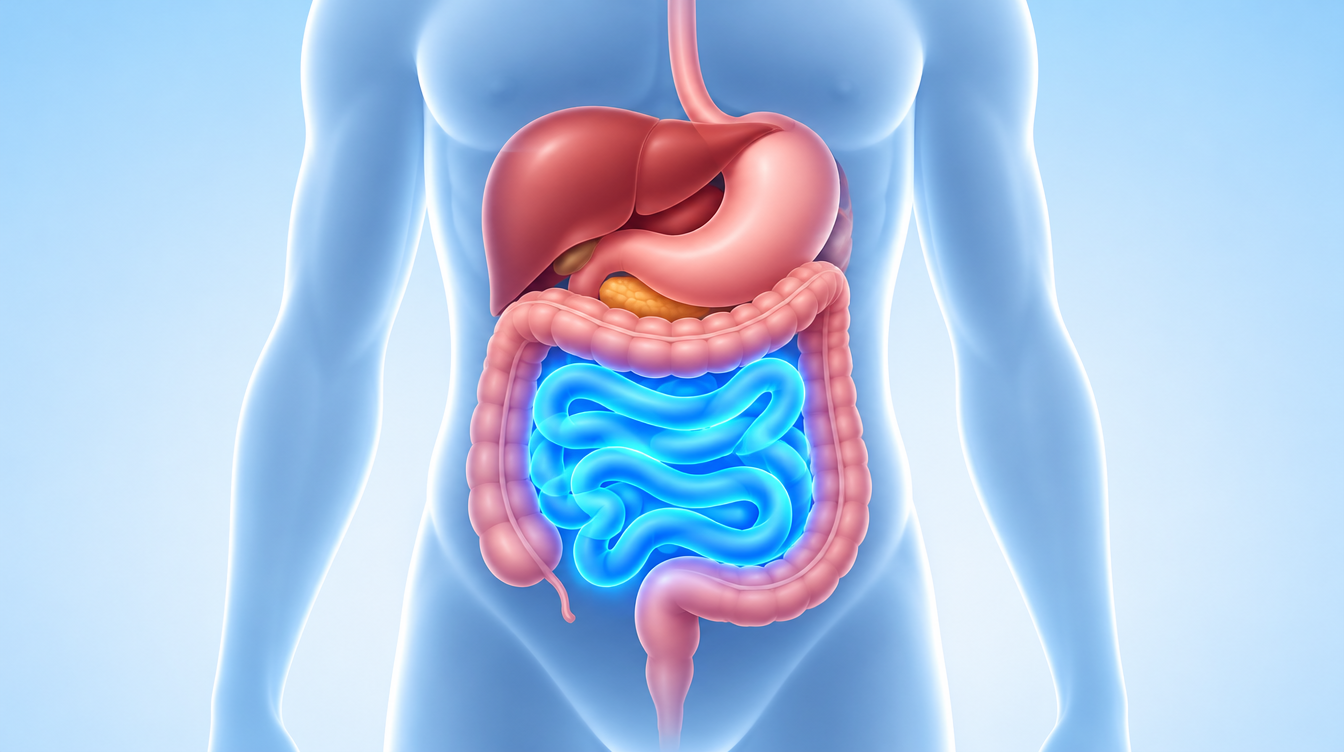
Small intestinal bacterial overgrowth, commonly abbreviated to SIBO , occurs when abnormally large numbers of bacteria grow in the small intestine, which normally contains fewer microorganisms than the large intestine.

Several mechanisms normally limit this growth: intestinal movement, stomach acid, digestive enzymes and the ileocaecal valve. When one or more are impaired, microorganisms may multiply in an inappropriate location and cause digestive symptoms.
Up to 60–70% of people with IBS may have SIBO in some reports[1]3 gases measured in modern breath testing. Results at Trust Medical Labs within one working day 2The Three Patterns: SIBO, IMO and ISO
Research distinguishes different patterns according to the gases produced. Each has characteristic features and predominant symptoms:
💨 SIBO — Hydrogen (H₂). The classic bacterial overgrowth pattern produces raised hydrogen levels and is commonly associated with diarrhoea, bloating and abdominal pain.🔥 IMO — Methane (CH₄). Intestinal methanogen overgrowth involves methane-producing archaea rather than bacteria, hence the term IMO (Intestinal Methanogen Overgrowth). It is commonly associated with constipation and a feeling of fullness.⚡ ISO — Hydrogen Sulphide (H₂S). This pattern involves sulphate-reducing bacteria and is associated with diarrhoea and strong-smelling gas. Direct hydrogen sulphide measurement provides information that earlier breath-testing devices could not measure.💡 Why Does the Distinction Matter? Different patterns may require different approaches to treatment and nutrition. Measuring all three gases provides additional information for clinical assessment. 3Common Symptoms
These symptoms overlap with many other digestive conditions, so an accurate assessment is important. Common symptoms include:
Recurrent abdominal bloating Excessive gas after meals Abdominal pain and cramps Persistent diarrhoea or constipation Nausea after meals Fatigue and brain fog Vitamin malabsorption Unexplained weight lossSymptoms by Pattern
| Pattern | Predominant Symptoms |
|---|---|
| SIBO (hydrogen) | Diarrhoea, marked bloating, pain around the navel and gas |
| IMO (methane) | Persistent constipation, fullness, bloating and nausea |
| ISO (hydrogen sulphide) | Diarrhoea, strongly smelling gas, abdominal pain and fatigue |
🎬 A Short Video Explanation
Bloating after meals? Learn about SIBO with this introduction from Trust Medical Labs
Show Result
⚕️ This questionnaire provides general guidance and is not a medical diagnosis. 4Diagnosis: Three-Gas Breath Testing
The breath test is a commonly used assessment for SIBO, discussed in the American College of Gastroenterology guideline and the North American Consensus on breath testing[2]. Microorganisms ferment sugars and produce gases that enter the blood and are then exhaled.

How Does the Test Work?
1. Preparation during the preceding 24 hours: follow the supplied preparation diet, such as plain white rice, grilled chicken or fish and eggs, and the instructed 12-hour fast. 2. Drink the measured lactulose solution used as the test substrate. 3. Collect breath samples at 15–20-minute intervals over two to three hours, as instructed. 4. The laboratory measures hydrogen, methane and hydrogen sulphide in the samples.Breath-Test Thresholds Listed in This Guide
| Gas | Threshold | Possible Pattern |
|---|---|---|
| Hydrogen (H₂) | Rise of at least 20 ppm above baseline within 90 minutes[2] | SIBO |
| Methane (CH₄) | At least 10 ppm at any time during the test[2] | IMO |
| Hydrogen sulphide (H₂S) | At least 3 ppm at any time during the test[3] | ISO |
Why Measure All Three Gases?
Many earlier devices measure only hydrogen and methane, so hydrogen sulphide-related patterns may not be identified. Three-gas devices, including the system used at Trust Medical Labs, directly measure H₂S to add information to the assessment.
Persistent Digestive Symptoms?
Three-gas breath testing is available through Trust Medical Labs, with results within one working day
5Managing the Condition
Management involves addressing current symptoms, contributing factors and the risk of recurrence. Key Point: The approach depends on the gas pattern and your clinical circumstances. Accurate assessment is therefore an important first step.
⚕️ Medical Note: A specialist chooses treatment according to your results and medical history. This guide provides general education and does not replace medical advice.Main Areas of Management
1. Specialist Assessment: After reviewing your breath-test result, a gastroenterologist may recommend targeted antibiotics, such as rifaximin for selected hydrogen-associated cases, or another approach suited to the pattern[4].
2. Dietary Changes: A low-FODMAP diet reduces selected rapidly fermentable carbohydrates and may help manage digestive symptoms. More information follows in the next section.
3. Supporting Intestinal Motility: Impaired intestinal movement can contribute to recurrence. Your doctor may consider prokinetic medicines to support the migrating motor complex, the intestine's natural cleansing activity.
4. Addressing Contributing Factors: SIBO may arise from an underlying problem. Assessment may consider factors such as reduced stomach acidity, hypothyroidism, postoperative adhesions or motility disorders.
5. Follow-up: Your doctor may recommend repeat breath testing after treatment to assess the response or investigate recurrence.
6The Low-FODMAP Diet
FODMAP refers to groups of short-chain fermentable carbohydrates: F ermentable O ligo- D i- M ono-saccharides A nd P olyols. These carbohydrates can ferment rapidly and contribute to symptoms. Reducing selected FODMAPs may help relieve bloating, gas and digestive discomfort.
 ⏱️ Diet Duration: The low-FODMAP elimination phase is temporary, usually around 4–6 weeks, followed by gradual reintroduction with a dietitian. It is not intended as a permanent restrictive diet.
Food Guide
| Group | ✅ Usually Suitable | ❌ Foods to Limit |
|---|---|---|
| Vegetables | Courgette, cucumber, carrot, aubergine, spinach, peppers and potatoes | Onion, garlic, cauliflower, broccoli, mushrooms and peas |
| Fruit | Unripe banana, oranges, grapes, strawberries and kiwi | Apples, pears, watermelon, mango and cherries |
| Grains | Rice, oats, corn, quinoa and gluten-free bread | Larger amounts of wheat, barley and rye |
| Protein Foods | Chicken, fish, eggs, meat and tofu | Larger amounts of beans, lentils and chickpeas |
| Dairy | Hard cheeses, lactose-free milk and Greek yoghurt | Regular milk, ice cream and soft cheeses |
| Sweeteners | White sugar in limited quantities and maple sugar | Honey, high-fructose corn syrup, sorbitol and mannitol |
Additional Dietary Considerations by Pattern
- IMO (methane / constipation): Gradually increasing soluble fibre while monitoring symptoms and drinking enough water may help some people.
- ISO (hydrogen sulphide): Reducing sulphur-rich foods, such as eggs, red meat and cruciferous vegetables, is discussed as a possible approach for symptom management.
Lifestyle Tips
Alongside medical assessment and dietary changes, lifestyle habits may support symptom management and help address recurrence:
🍽️ Meal spacing. Leaving around 4–5 hours between main meals allows migrating motor complex activity between meals. Avoid continuous grazing.🧘 Stress management. Stress can affect intestinal movement through the gut–brain axis. Relaxation, deep breathing and adequate sleep may help.🚶 Regular activity. Daily walking and moderate exercise support normal intestinal movement and general digestive health.🍴 Eat slowly and chew well. This supports digestion and reduces swallowed air, which can contribute to bloating and gas.💊 Review acid-suppressing medicines with your doctor. Long-term PPI use affects the stomach's acid barrier; do not change prescribed treatment without medical advice. 8Frequently asked questions
Is SIBO Dangerous?▼ SIBO is not usually dangerous in itself, but persistent untreated problems may contribute to nutrient malabsorption, vitamin or iron deficiencies and anaemia. Can the test be done at home?
▼ Yes. Trust Medical Labs can send a breath-test kit to your home in Saudi Arabia. Collect the samples as instructed and return them by courier. Results are available within one working day of laboratory receipt. How often can the test be repeated?
▼ Repeat testing may be considered around 4–6 weeks after treatment, according to your doctor's advice. Some people need further follow-up if symptoms recur. How does SIBO differ from IBS?
▼ Many symptoms overlap. Some studies have reported SIBO in a substantial proportion of people with IBS, with estimates as high as 60–70%[1]. Breath testing can support the assessment. How does SIBO testing differ from GI-MAP?
▼ Breath testing assesses gas patterns relevant to microbial overgrowth in the small intestine. GI-MAP is a stool test assessing selected intestinal microorganisms, including bacteria, fungi and parasites, alongside digestive and inflammatory markers. The tests provide different information and may complement one another. Can SIBO recur after treatment?
▼ Recurrence is possible. Some studies have reported recurrence rates of around 40–45% within a year[5]. Addressing contributing factors, nutrition and lifestyle can be important in ongoing management. Do I need a doctor's referral for SIBO testing?
▼ No. You can book directly with Trust Medical Labs without a referral.
Start Your Diagnostic Assessment
Three-gas breath testing (H₂ + CH₄ + H₂S) is available through Trust Medical Labs branches in Riyadh, Khamis Mushait, Hail, Najran and Tabuk, or by home kit delivery to cities across Saudi Arabia.
Results within one working day
Current SIBO Offer|
Contact Us on WhatsApp
Related Reading
How Is SIBO Treated? A Guide to Treatment OptionsDietary Guidance for People with SIBO
Common SIBO Symptoms
GI-MAP: A Map of Your Gut Health
SIBO Breath Test — Service Page📍 SIBO Testing at Trust Medical Labs BranchesRiyadh
Khamis Mushait
Hail
Najran
Tabuk Home collection available — results within one working day⚕️ Medical disclaimer: This content is for education only and does not replace medical consultation, diagnosis or treatment. Consult your specialist before making health decisions. Trust Medical Labs provides laboratory testing services and does not provide treatment consultations.
Scientific references
- Pimentel M, et al. “ACG Clinical Guideline: Small Intestinal Bacterial Overgrowth.” Am J Gastroenterol. 2020;115(2):165-178.
- Rezaie A, et al. “Hydrogen and Methane-Based Breath Testing in Gastrointestinal Disorders: The North American Consensus.” Am J Gastroenterol. 2017;112(5):775-784.
- Singer-Englar T, et al. “Validation of a 4-gas breath test for hydrogen sulfide in the diagnosis of intestinal sulfide overproduction.” Gastroenterology. 2022;162(7):S-731.
- Gatta L, Scarpignato C. “Systematic review with meta-analysis: rifaximin is effective and safe for the treatment of small intestine bacterial overgrowth.” Aliment Pharmacol Ther. 2017;45(5):604-616.
- Lauritano EC, et al. “Small intestinal bacterial overgrowth recurrence after antibiotic therapy.” Am J Gastroenterol. 2008;103(8):2031-2035.