

 ⭐ GI-MAP: Comprehensive Molecular Gut Testing
A Detailed Picture of Gut Health
One home-collected stool sample assesses selected bacteria, parasites, fungi, and digestive and immune markers using qPCR.
🧬 qPCR Technology🏠 Private Home Collection📄 Report Explained in Arabic Book GI-MAP Testing💬 Ask Us on WhatsAppDr Ahmad Faisal Al-Alawi, Molecular Genetics Specialist — PhD, Sorbonne University, Paris | FRCPath, United Kingdom. Last reviewed: November 2026Article Contents
- What Is GI-MAP?
- Six Areas Assessed by GI-MAP
- Who Might Benefit?
- Ordering Home Testing in Saudi Arabia
- Why Choose Trust Medical Labs?
- GI-MAP Frequently Asked Questions
- Understanding Your Gut Health
Persistent digestive symptoms, fatigue, or bloating may need investigation when diets and routine tests have not provided an explanation.
📘 Read Also: To compare breath testing and microbiome testing, see The Complete SIBO Guide: Small Intestinal Bacterial Overgrowth.The digestive system may hold relevant clues. This is where GI-MAP Testprovides a molecular assessment of selected gut organisms and markers.
This guide explains the measurements, possible uses, and home collection process available across Saudi Arabia through Trust Medical Labs.
Trust Medical LabsComplete the form and our team will contact you.
Or book a consultation via WhatsApp
1
What Is GI-MAP?
GI-MAP Assesses Selected Gut Microbes and MarkersGI-MAP stands for Gastrointestinal Microbial Assay Plus. It differs from conventional stool testing by using advanced molecular testing based on quantitative polymerase chain reaction, or qPCR.
Instead of relying solely on microscopy, it detects DNA from selected bacteria, fungi, and parasites. Genetic material can be detected even when organisms are no longer alive; results require clinical interpretation.
💡 A Perspective on Gut Health: “The gut is often called a second brain. Its microbial balance is associated with digestion, immunity, and wellbeing.”
GI-MAP Compared with Conventional Stool Testing
The following table outlines key differences:
| Comparison | Conventional Stool Testing | Molecular GI-MAP Testing |
| Method | Microscopy and Culture | DNA Detection by qPCR |
| Detection Performance | Some organisms may be missed | Detects selected DNA targets in small quantities |
| Scope | Selected Common Bacteria and Parasites | Selected Organisms and Digestive, Immune, and Inflammation Markers |
| Beneficial Bacteria | Not usually comprehensively assessed | Measures selected microbial groups |
| Inflammation Markers | Depends on the tests requested | Selected intestinal inflammation and immune markers |
The gut has an important immune role. Six assessment areas in one report. A sample
collected privately at home. 2
Six Areas Assessed by GI-MAP
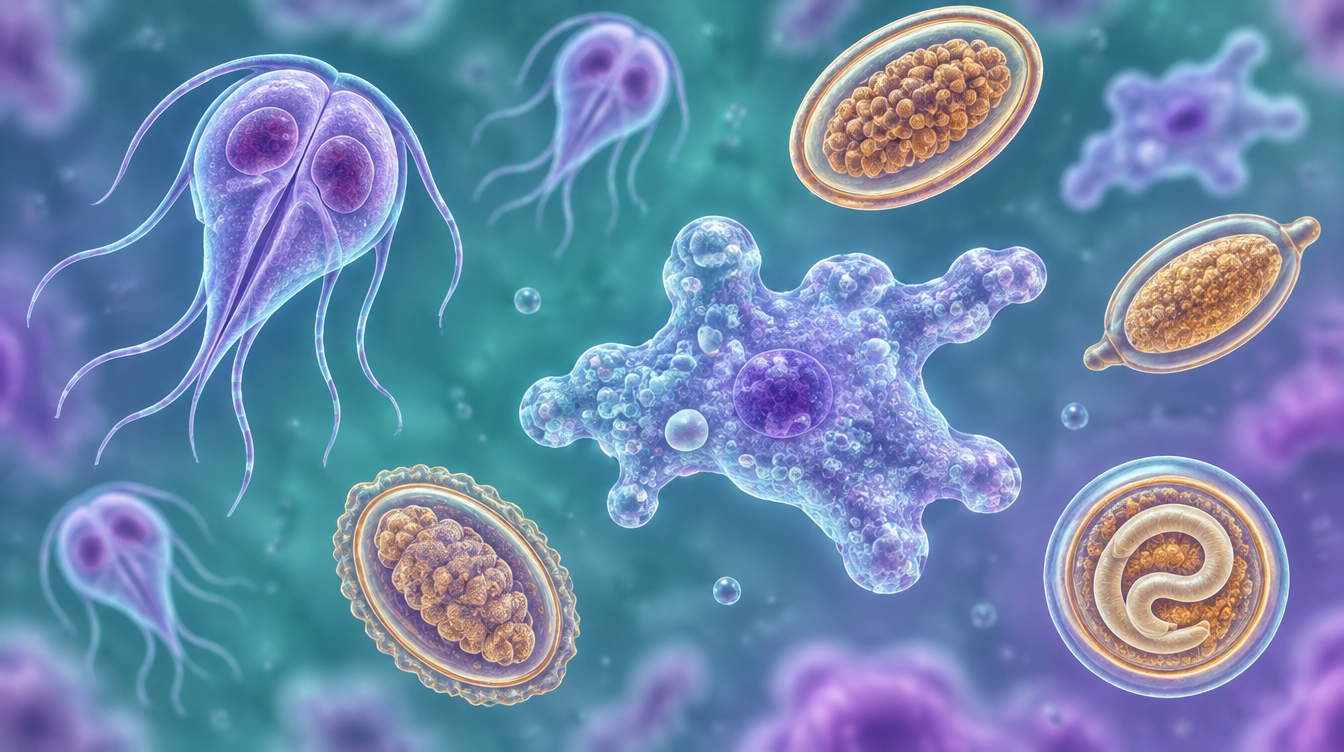 Molecular assessment of selected bacteria, parasites, and fungi
Six areas provide information for interpretation alongside symptoms, history, and other investigations:
1. Bacterial Pathogens
Selected targets include:
H. pylori: Detection and selected virulence factors.
Salmonella: A cause of foodborne illness.
Pathogenic E. coli: Selected types associated with diarrhea and cramps.
2. Parasites and Fungi
Some organisms may be missed by routine testing. This panel assesses:
Intestinal Parasites: Which may contribute to weight loss or malabsorption.
Fungal Organisms, Including Candida: Detection alone does not prove the cause of fatigue, cravings, or other nonspecific symptoms.
3. Microbiome Balance
Gut microbes contribute to digestion and other functions. The panel assesses:
Selected beneficial bacterial levels.
Selected opportunistic organisms.
Markers relevant to intestinal mucosal health.
4. Intestinal Immunity and Inflammation
The gut contributes substantially to immune function. Markers include:
Secretory IgA: an element of mucosal immune defense.
Inflammation Markers, Including Calprotectin and Lactoferrin: These may support assessment for inflammatory bowel disease rather than uncomplicated IBS.
5. Digestion and Absorption
Nutrient intake and absorption both matter. Markers include:
Digestive Enzyme Activity, Including Elastase-1.
Indicators related to fat absorption.
Markers related to digestion of carbohydrates and proteins.
6. Antibiotic Resistance Genes
Selected resistance genes may inform a clinician's decisions when antimicrobial treatment is appropriate; results do not replace clinical assessment.
3
Who Might Benefit?
Testing may be considered for persistent symptoms when the result would guide care, including:
Chronic Digestive Problems: Ongoing bloating, gas, diarrhea, or constipation.
Unexplained Fatigue: Tiredness despite adequate rest.
Brain Fog or Poor Concentration: The gut–brain axis connects digestive and neurological processes.
Food Reactions: New intolerance or reactions to previously tolerated foods.
Difficulty Managing Weight: Unexplained difficulty gaining or losing weight.
Mood Changes: Anxiety, stress, or depression may coexist with digestive problems without establishing a microbial cause.
Skin or Immune-Related Symptoms: Joint discomfort, rashes, acne, or eczema may require separate assessment.
Proactive Assessment: Discuss whether testing would provide useful information for your circumstances.
📌 Important: Repeated antibiotic use may alter gut microbes. Discuss the value and limitations of testing rather than assuming that a panel is necessary.
4
Ordering Home Testing in Saudi Arabia
 Home-Collected Stool Sample Returned to the Laboratory
Through Trust Medical Labsyou can arrange collection without attending a clinic, following these steps:
Order the Kit:
Our team arranges delivery of the collection kit within Saudi Arabia.Collect Privately at Home:
Clear Arabic instructions explain the collection process.Return the Sample:
We arrange collection and transport under the requirements of the designated reference laboratory.Receive the Report:
A detailed report is provided with an explanation in Arabic; confirm the expected turnaround when ordering.
5
Why Choose Trust Medical Labs?
Trust Medical Labs supports you through ordering, collection, and understanding the report.
Reference Laboratory Testing: Testing is arranged through laboratories applying quality-control procedures.
Complete Home Service: Remote ordering, sample return, and report delivery save travel and time.
Arabic Explanation: The results are explained in accessible Arabic.
Specialist Report Support: Ask our team about help understanding the report. A treating clinician should decide on diagnosis and treatment.
Timely Processing: We communicate expected turnaround times and work to deliver results promptly.
Transparent Pricing: Ask about current pricing and electronic payment options.
6
GI-MAP Frequently Asked Questions
Do I Need to Fast?▼ Fasting is generally unnecessary for this stool test. Follow the laboratory's instructions. Should I stop medication?▼ Ask the laboratory and prescribing clinician about antibiotics or antifungals, which can influence results. A waiting period may be advised, but do not stop prescribed treatment independently. How accurate is GI-MAP?▼ The panel uses qPCR for selected targets. Performance differs by marker, and findings need interpretation in clinical context. 7Understanding Your Gut Health
Repeatedly guessing at the cause of symptoms or trying medicines without assessment can consume time and money.
Test GI-MAP may add useful information when chosen for an appropriate clinical question.
Take a private, informed step toward understanding your digestive health.
For package details and current prices, see the GI-MAP Testing Page at Trust Medical Labs. To explore suitability, see our Microbiome and Gut Bacteria Testing Guide.
To order or enquire, contact the Trust Medical Labs team on the unified number:
[ 920022632 ]
Trust Medical Labs — Helping You Understand Your Health.
📚 Related Articles
Ready to Explore Your Gut Health?
qPCR testing assesses selected stool organisms and digestive and immune markers.
The Complete SIBO Guide | Ask Us on WhatsApp