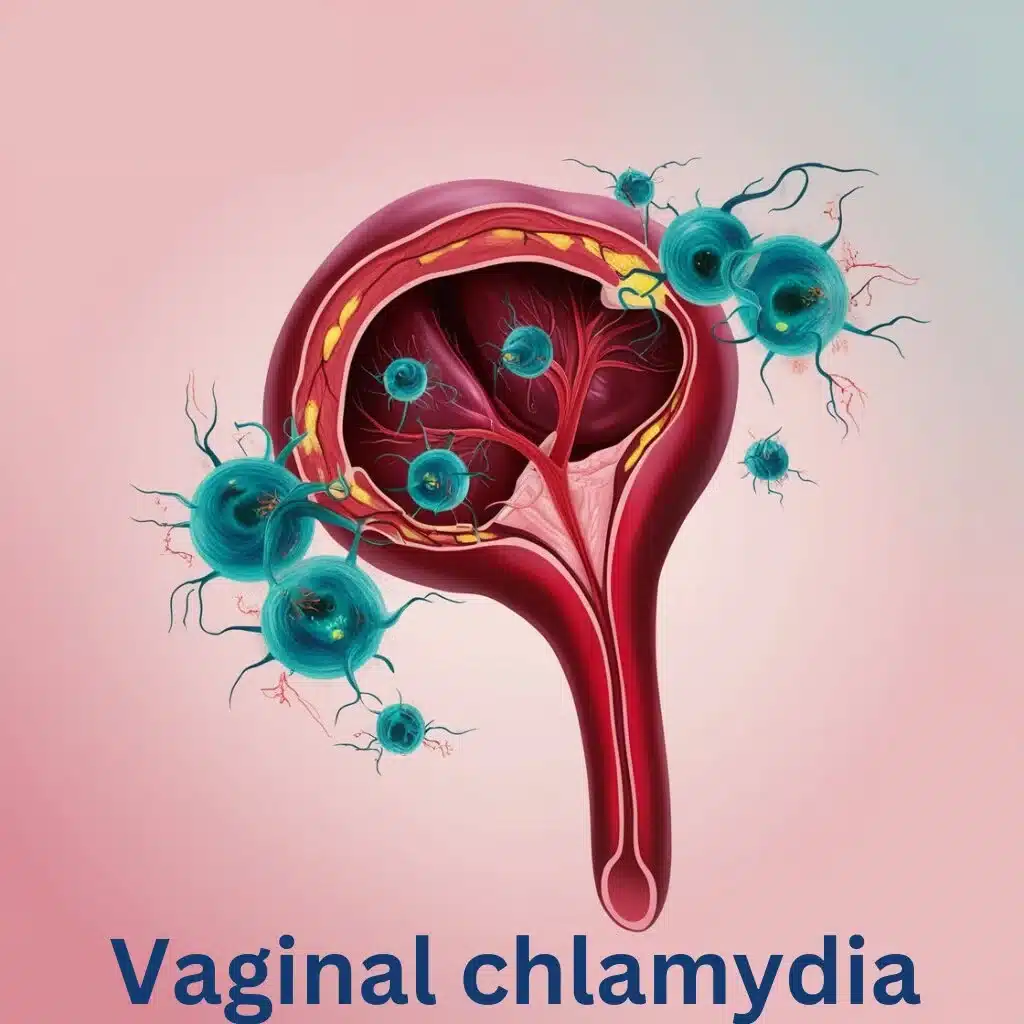
Chlamydia often causes no symptoms in women. Possible signs include changes in vaginal discharge, bleeding between periods and lower abdominal pain. Antibiotics can cure it. Untreated infection can lead to pelvic inflammatory disease, infertility or ectopic pregnancy.
٤٪Estimated global prevalence among women (WHO) PIDPelvic inflammatory disease is a possible complication. 7 daysHow long to avoid sex after single-dose treatmentSymptoms in women
- A change in vaginal discharge.
- Bleeding between periods or after sex.
- Lower abdominal pain or discomfort.
- Burning during urination or itching.
Diagnosis
For women, a vaginal swab is generally preferred to urine for molecular testing. A cervical swab is another option. A self-collected vaginal swab can give comparable results. Testing for syphilis, HIV and gonorrhoea is also recommended.
Treatment
A clinician can prescribe an appropriate antibiotic. Avoid sex until seven days after single-dose treatment or until a seven-day course is complete, and until partners have been treated.
Chlamydia and pregnancy
Chlamydia during pregnancy is associated with preterm birth and low birth weight. Infection can pass to the newborn and cause an eye infection or pneumonia. Testing and treatment during pregnancy help prevent transmission.
Complications
Complications include pelvic inflammatory disease, infertility, ectopic pregnancy and an increased risk of acquiring HIV.
When should I get tested?- Unexplained discharge or bleeding.
- Before or during pregnancy, discuss testing with your clinician.
- A partner has been diagnosed with the infection.
Confidential testing at Trust Medical Labs
Our PCR testing package for sexually transmitted infections starts at SAR 1,200. Results are available within five working days and are released only to the person who requested the test.
Leave your contact details and we will get in touch confidentially.Frequently asked questions
Is chlamydia different from a yeast infection?
Yes. Yeast infections and other causes of vaginitis require different treatments. Testing helps distinguish them. The comprehensive package also assesses the vaginal microbiome.
Can chlamydia be cured?
Yes. Appropriate antibiotics treat the infection, and treating partners helps prevent reinfection.