
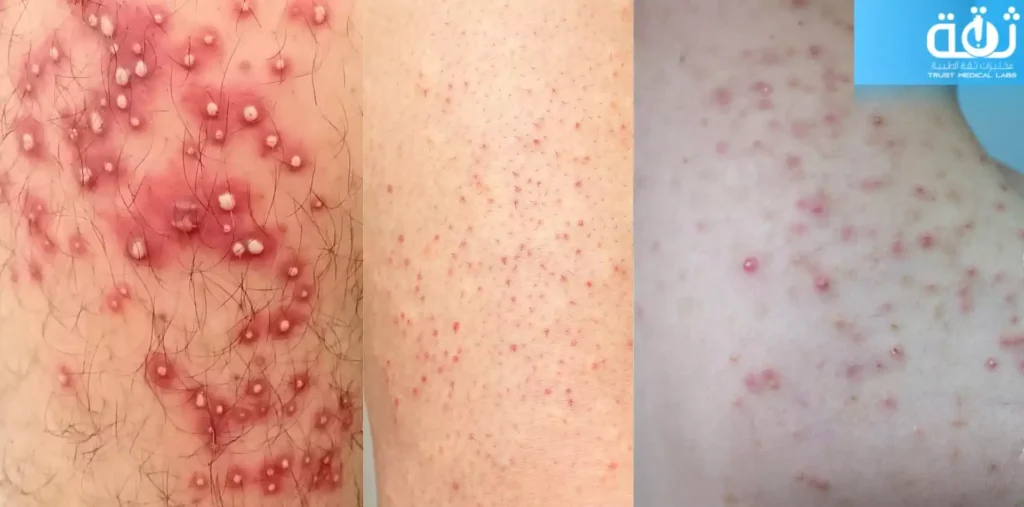
Itchy spots around follicles can resemble acne and cause discomfort. This article discusses experiences, causes, types, assessment, and management.
Trust Medical LabsWe Are Here to Help
Complete the Form
and We Will Contact You.
What Is Folliculitis?
Folliculitis is inflammation of hair follicles, often involving bacteria or yeast. Mild cases may settle with gentle care; severe or recurrent cases need assessment to reduce scarring or permanent hair-loss risk.
Shaving, hot tubs, friction, and sweating can contribute. Persistent symptoms can affect comfort and confidence.
Explore Also: Scalp Itching: Causes, Assessment, and Care
Types of Folliculitis
Superficial forms affect the upper follicle; deep forms extend further. Any hair-bearing area may be affected, including the back, chest, buttocks, arms, or legs.
1. Bacterial Folliculitis
Staphylococcus aureus commonly enters damaged follicles through small cuts or irritation. It can cause itchy, red pustules, particularly in sweaty or friction-prone areas.
2. Hot-Tub Folliculitis
Pseudomonas can grow in poorly maintained warm water. Itchy bumps may appear within a day or two, often under swimwear, and mild cases may settle within days.
4. Fungal Folliculitis
Malassezia yeast can cause itchy pustules, commonly on the chest, back, and shoulders.
5. Razor Bumps
Curved or short shaved hairs can grow into the skin, causing inflammation and sometimes scarring.
6. Eosinophilic Folliculitis
This intensely itchy, sometimes recurrent condition can accompany immune disorders, including HIV. The upper trunk, arms, neck, or forehead may be affected.
Investigating suspected immune problems with Immune System Tests may be appropriate when clinically indicated, rather than routinely for every folliculitis case.
7. Gram-Negative Folliculitis
Prolonged acne antibiotic use can alter skin bacteria and lead to pustules around the nose or mouth.
Causes
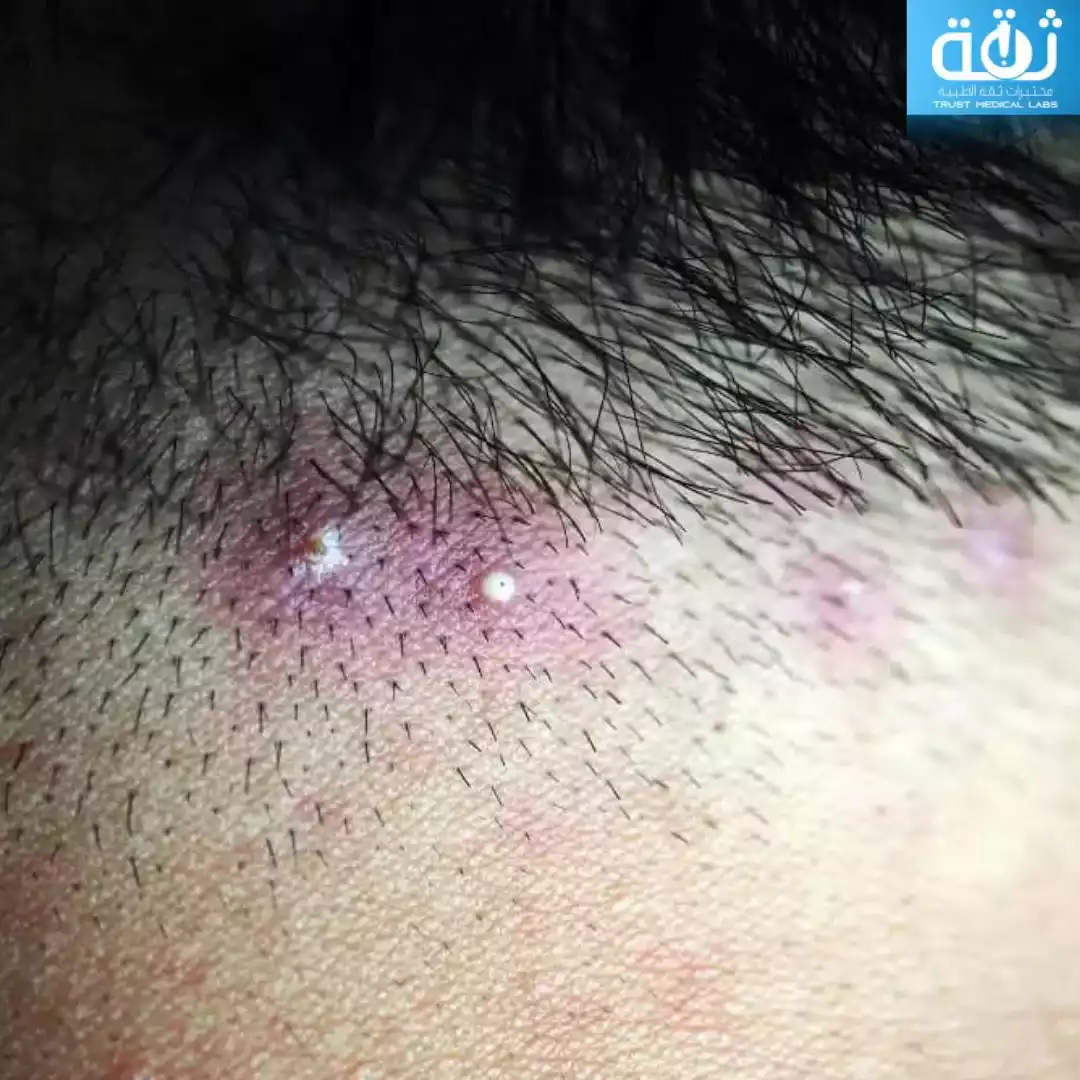
Bacteria, yeast, irritation, physical injury, and certain medicines can contribute.
Damage increases susceptibility, with superficial or deeper follicular inflammation.
Contagiousness depends on the cause. Some bacteria may spread through contact or contaminated towels, clothing, or razors; noninfectious forms do not.
Risk Factors for Folliculitis
Possible risk factors include:
- Long-Term Acne Antibiotics.
- Prolonged Use of Certain Steroid Creams.
- Sweating and Damp Clothing.
- Sharing Contaminated Personal Items.
- Shaving, Waxing, or Tight Styles.
- Diabetes or Immune Disorders.
Discuss Appropriate Diabetes Tests testing with a clinician at laboratory testing in Riyadh, especially when an underlying condition is suspected. Ask about laboratory offers Trust Medical Labs.
How Is It Recognized?
Follicles cover most skin except areas such as palms and soles. One or many may be affected, temporarily or recurrently. Acne and other conditions can look similar.
Symptoms
Small white- or yellow-headed bumps may rupture and crust. Itching, tenderness, pain, swelling, and larger pus-filled lesions can occur.
When to Seek Advice
Seek assessment for painful lumps, pus, spreading inflammation, recurrent episodes, or worsening symptoms. Fever, chills, or rapidly spreading redness require prompt attention.
Read Also: Scalp Psoriasis Causes
Understanding Folliculitis: Causes and Treatment
One illustrative account concerns a gym-goer who ignored back spots after exercise. They enlarged and spread, and medical assessment identified deeper bacterial infection with abscesses.
Another describes red leg spots after an old razor, progressing to pain and fever. Such changes need medical assessment; appearance alone cannot identify the organism.
A third describes a rash after a poorly maintained hot tub that became pustular and required treatment.
These examples highlight the importance of clean equipment, gentle care, and assessment when symptoms worsen.
Explore Also: Scalp Eczema and Seborrheic Dermatitis: Treatment and Flare-Ups
Diagnosis and Treatment
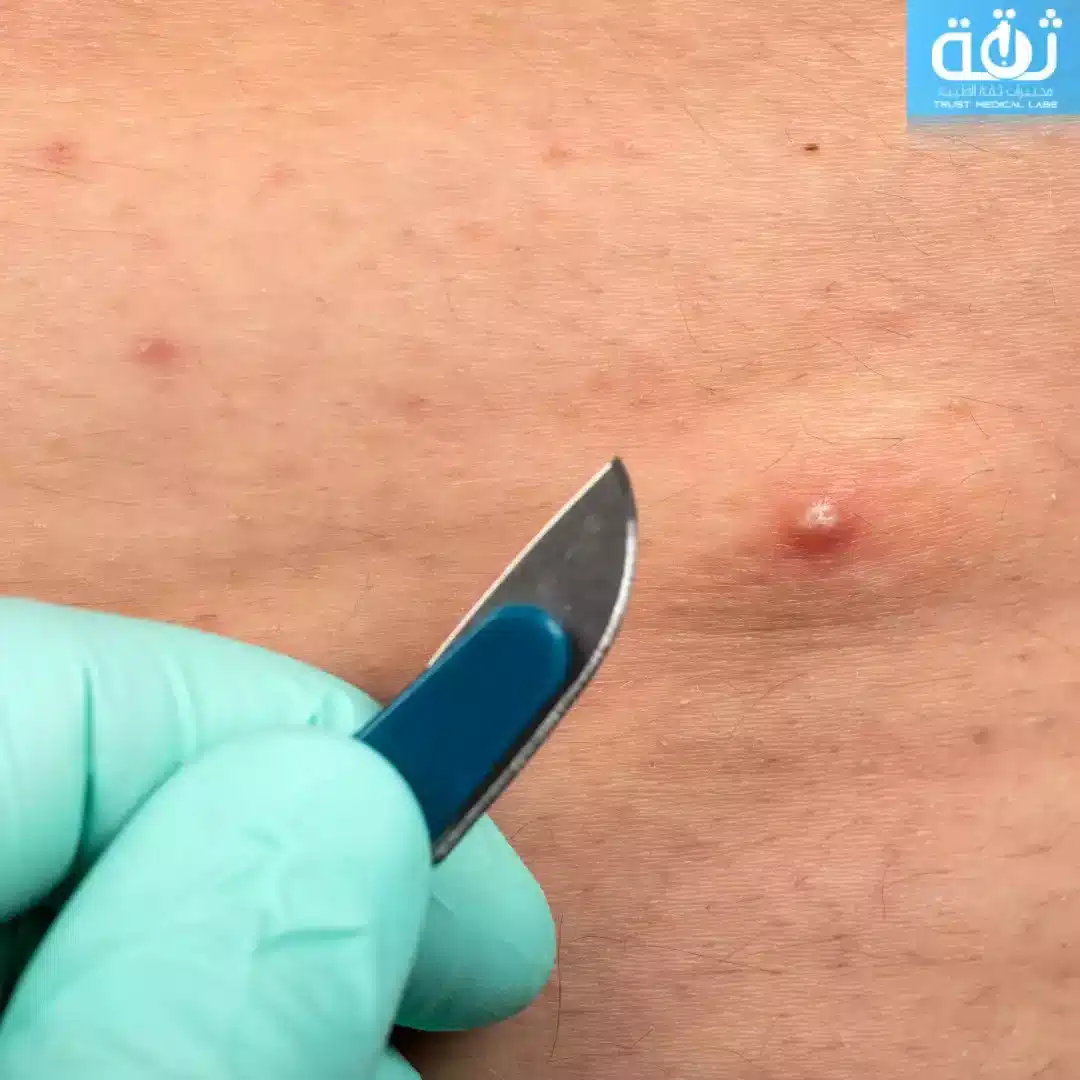
Examination and history usually guide diagnosis. Persistent cases may need a swab, fungal scraping, or occasionally a biopsy to clarify the cause.
How Can I Manage It?
Mild cases may settle with gentle cleansing and a clean warm, moist compress.
Avoid squeezing or picking. Use a clean towel and avoid irritating homemade mixtures.
Medical Treatment
Severe, persistent, or recurrent cases may need diagnosis-specific medication:
- A clinician may prescribe topical or oral antibiotics for appropriate bacterial cases.
- Yeast-related disease may need antifungal shampoo, cream, or tablets; antibiotics do not treat it.
- Selected inflammatory forms may need prescribed anti-inflammatory treatment. Do not start steroids independently on suspected infection.
- Large boils or abscesses may need professional drainage.
- If shedding is also present, discuss whether targeted testing is indicated. Explore our Hair Loss Testing Package Trust Medical Labs offers and available support.
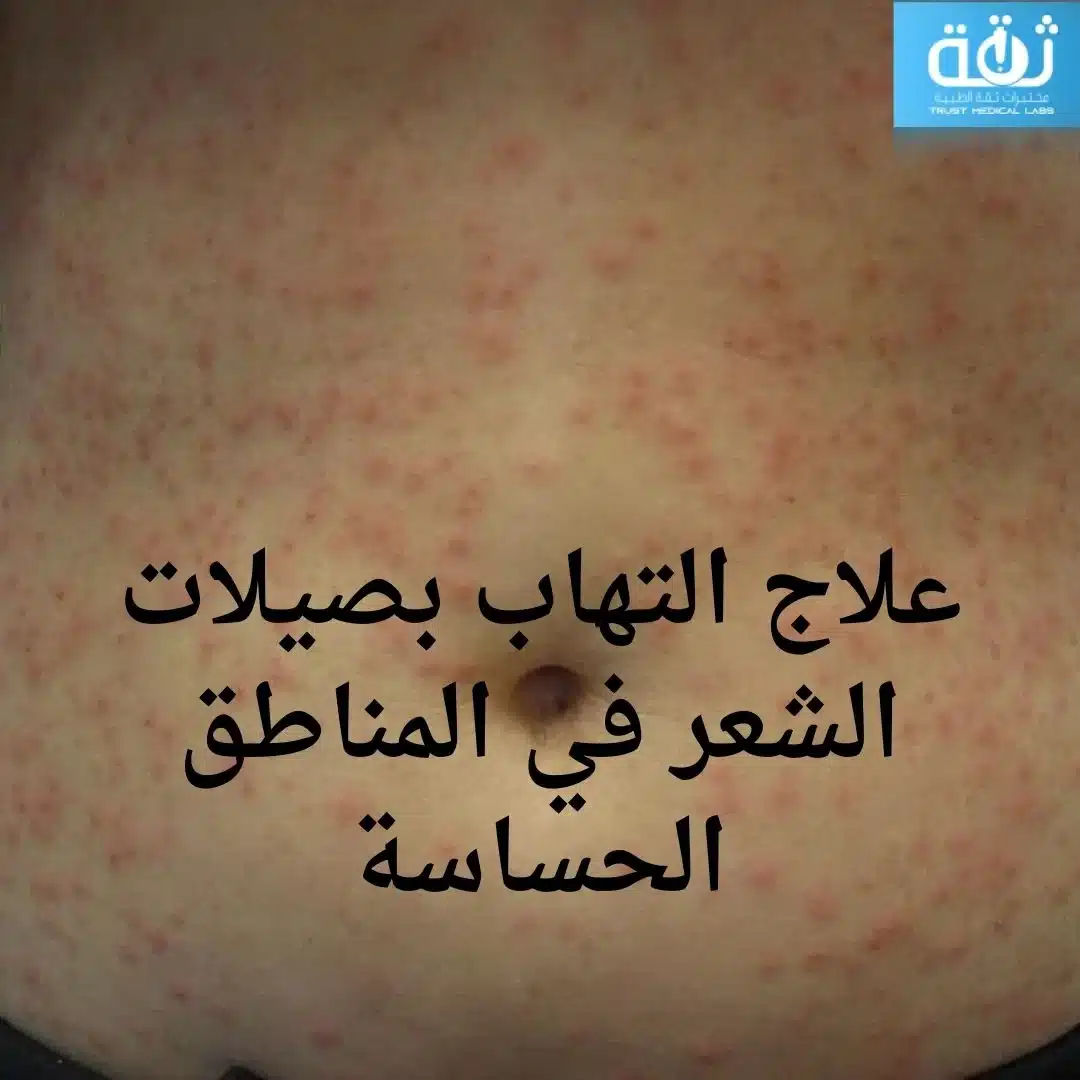
Sensitive-Area Folliculitis
Cleanse gently, dry carefully, avoid friction, and wear loose breathable clothing. Do not shave over inflamed skin.
More severe cases may need prescribed treatment. Use clean equipment; routine preventive antibiotic cream after shaving is not generally necessary.
How Long Does Recovery Take?
Mild cases often improve within approximately a week to ten days, while deep or recurrent disease may take weeks and require treatment.
Read Also: Scalp Pain With Hair Loss: When to Get It Checked
Folliculitis can resemble other skin disorders. Causes, symptoms, and management range from mild irritation to infections requiring prescribed treatment.
Identifying the cause matters. Consult a clinician for persistent, recurrent, or worsening symptoms.
Frequently asked questions
Symptoms in Sensitive Areas
Itching, rash, and follicle-centered bumps can occur in the groin, genital region, or armpits.
Is It Contagious?
Some bacterial causes can spread through contact or contaminated items. Irritation-related disease is not contagious; assessment clarifies the cause.
Does It Itch?
Often, sometimes with pain. Avoid scratching to limit skin damage.
What Does It Look Like?
Red, acne-like follicular bumps, sometimes with white heads or pus, which may rupture and crust.